Mount Kilimanjaro
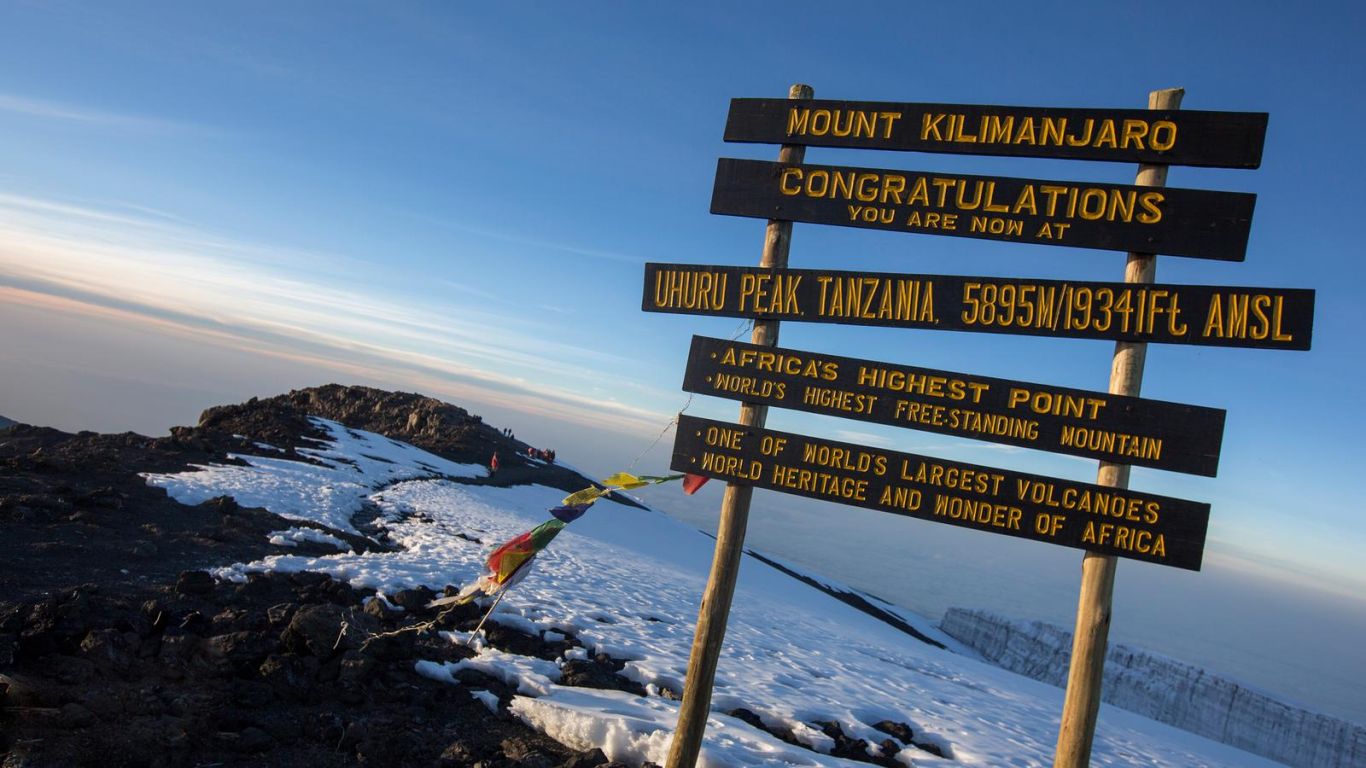
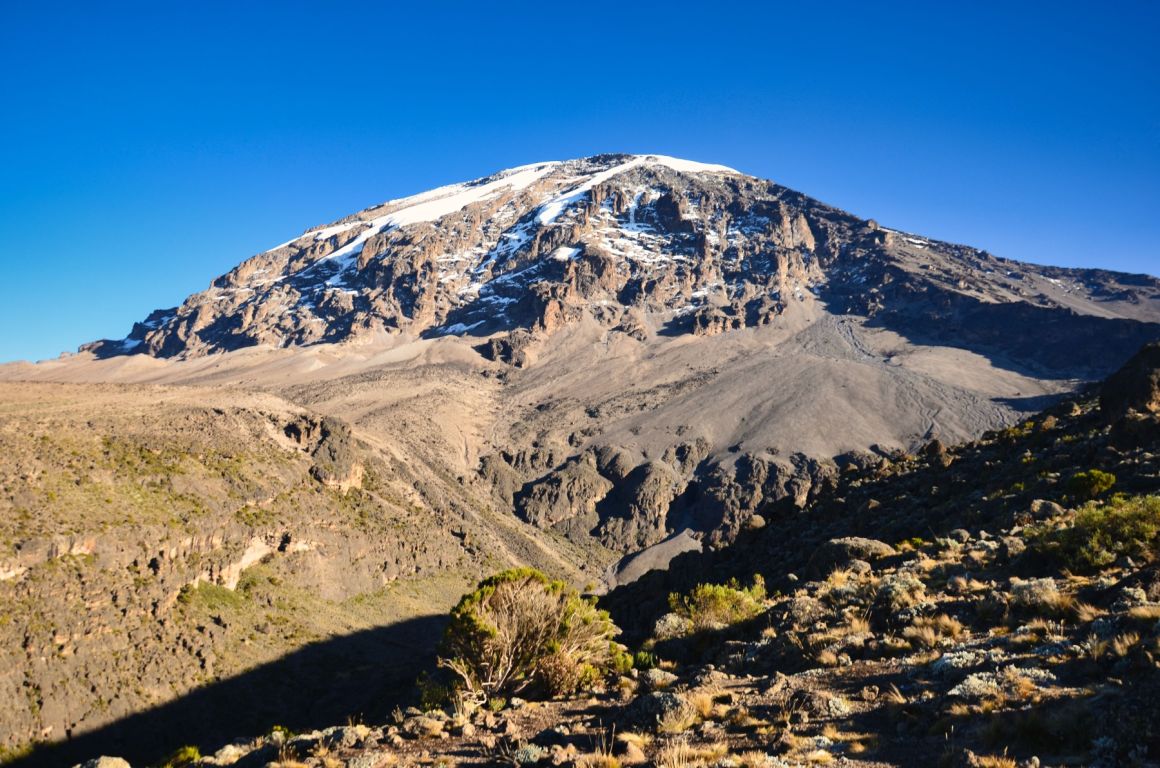
Mount Kilimanjaro is one of Africa’s most iconic natural landmarks and the highest mountain on the continent, rising to 5,895 metres (19,341 feet) above sea level. Located in northern Tanzania near the equator, the mountain is famous for its snow-capped summit, dramatic volcanic landscapes and remarkable transition through several ecological zones.
A Mount Kilimanjaro climb is a journey far beyond an ordinary hike. From the lower forest to the high alpine desert and finally the summit of Uhuru Peak, trekkers experience an extraordinary change in scenery and environment over several days. The challenge is demanding, but with the right route, preparation, pacing and professional support, Kilimanjaro is achievable for many determined first-time high-altitude trekkers.
Why Is Mount Kilimanjaro Famous?
Mount Kilimanjaro is famous primarily because it is Africa’s highest mountain and one of the highest free-standing mountains in the world. Its enormous volcanic massif rises dramatically from the surrounding plains, creating one of Tanzania’s most recognizable landscapes.
The mountain consists of three volcanic cones: Kibo, Mawenzi and Shira. Kibo is the highest of the three and is home to Uhuru Peak, the highest point on the African continent.
What makes Kilimanjaro particularly special is that a trek to its summit takes you through dramatically different environments. You begin in a warm, forested landscape and gradually enter moorland, alpine desert and the cold, rugged high-altitude environment around the summit.
What Is It Like to Climb Mount Kilimanjaro?
Climbing Kilimanjaro is a multi-day trekking experience in which you gradually gain elevation while spending several nights on the mountain. The daily walking is generally manageable at lower elevations, but the increasing altitude makes the higher sections considerably more challenging.
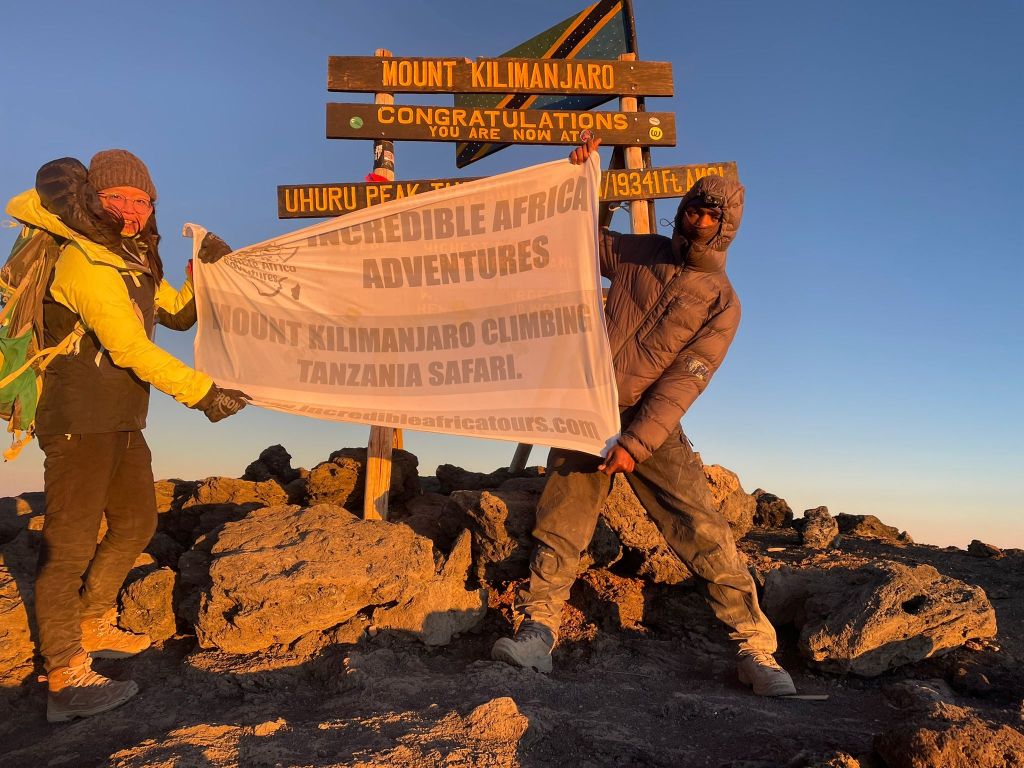
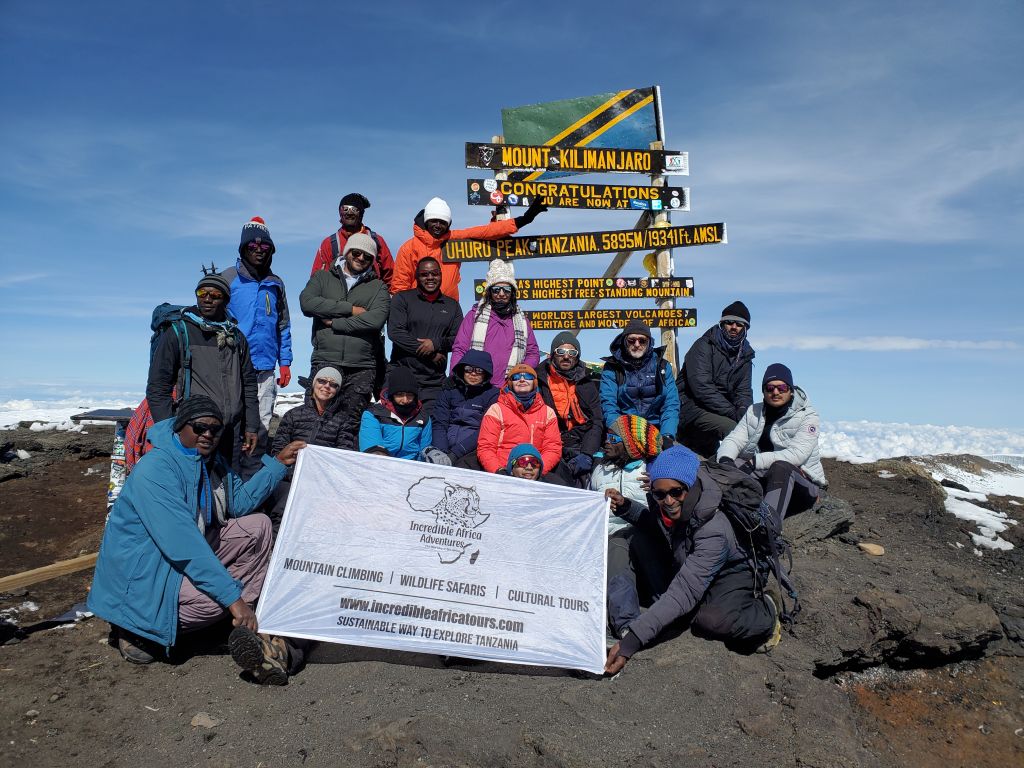
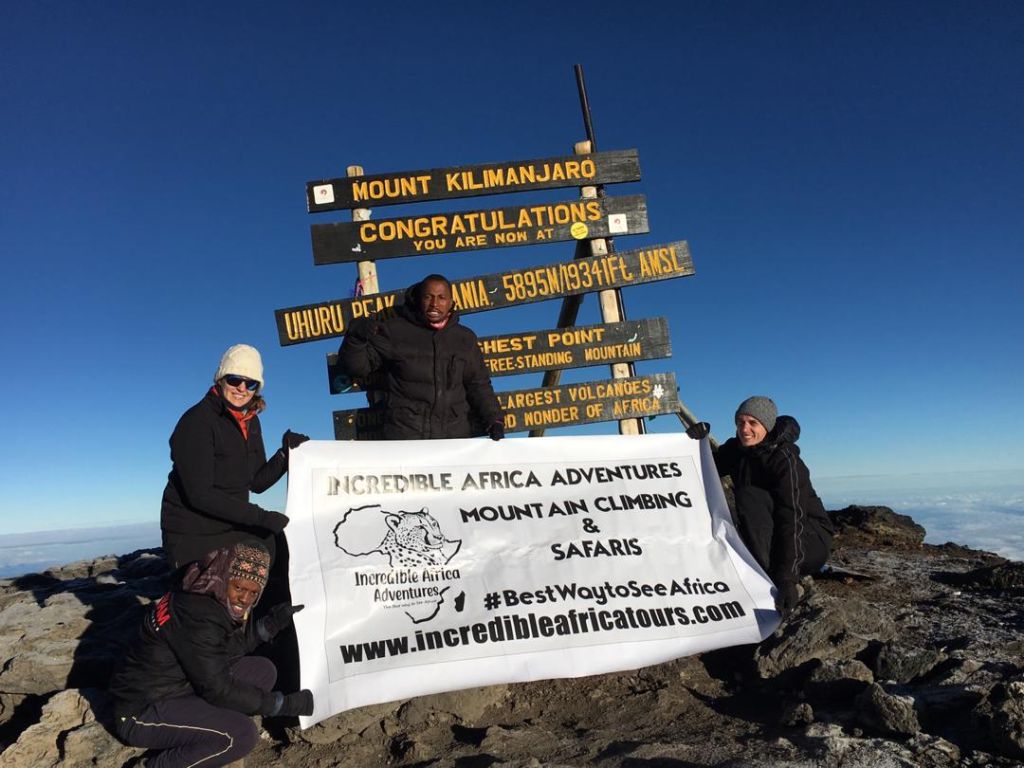
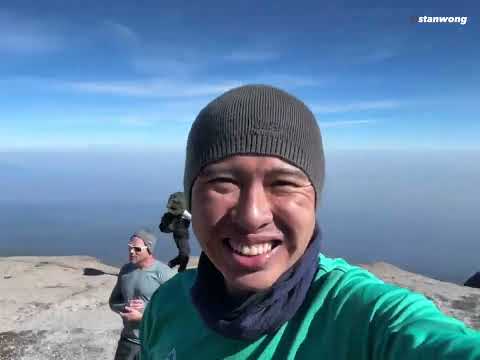
The summit attempt is usually the toughest part of the journey. Trekkers normally begin during the night, walking slowly through the darkness toward Uhuru Peak. If weather and conditions allow, reaching the summit around sunrise provides one of the most memorable moments of the entire adventure.
After celebrating at the Roof of Africa, the journey continues downhill. The descent can be physically demanding, but it also brings the welcome feeling of returning to lower elevations and warmer conditions.
Kilimanjaro Climbing Routes
Mount Kilimanjaro has several established climbing routes, each offering a different experience. Choosing the right route is one of the most important decisions when planning your climb because the route affects scenery, accommodation, trekking difficulty and the amount of time available for acclimatization.
Machame Route
The Machame Route is one of Kilimanjaro’s best-known trekking routes and is particularly appreciated for its varied scenery. It passes through forest, moorland and high-altitude landscapes before joining the southern approach toward the summit.
It is a good option for travelers looking for a scenic trekking experience and who are comfortable with some demanding hiking days.
Lemosho Route
The Lemosho Route approaches Kilimanjaro from the west and provides a longer, more gradual journey when planned over an appropriate number of days. Its varied landscapes and additional acclimatization time make it a popular choice for travelers who prefer a more relaxed approach to the mountain.
Marangu Route
The Marangu Route is different from most other Kilimanjaro routes because accommodation is provided in mountain huts rather than tents. The route follows a relatively direct path toward the summit and can appeal to travelers who prefer hut accommodation.
Rongai Route
The Rongai Route approaches Kilimanjaro from the northern side of the mountain. It offers a different perspective of Kilimanjaro and can be an attractive choice for travelers looking for a quieter approach and a distinctive route experience.
Northern Circuit
The Northern Circuit is the longest established route on Kilimanjaro. Its extended itinerary allows trekkers to spend more time at altitude and explore a broader section of the mountain before approaching the summit.
Umbwe Route
The Umbwe Route is known for its steep and demanding character. It is generally better suited to experienced trekkers who are comfortable with challenging terrain and a more direct ascent.
Which Kilimanjaro Route Is Best?
There is no single best Kilimanjaro route for everyone. The right choice depends on your fitness, available time, trekking experience, accommodation preferences and how much emphasis you place on gradual acclimatization.
For many travelers, a longer itinerary is preferable because it provides more time to adapt to increasing elevation. The shortest itinerary is not necessarily the best-value experience if your priority is giving yourself the best possible opportunity to enjoy the mountain.
At Incredible Africa Adventures, we help you choose the route based on your individual circumstances rather than simply recommending the most popular option.
How Difficult Is Mount Kilimanjaro?
Kilimanjaro does not normally require technical climbing skills on its established trekking routes, but it should never be described as an easy hike.
The biggest challenge is the combination of elevation, long trekking days, cold summit conditions and the physical demands of walking for several consecutive days. Your fitness matters, but altitude affects everyone differently, including people who are extremely fit.
A sensible training program, appropriate equipment, gradual pacing and a suitable itinerary can make a significant difference to the overall experience.
Altitude and Acclimatization on Kilimanjaro
Altitude is one of the most important considerations when planning a Kilimanjaro climb. As you ascend, atmospheric pressure decreases and your body has less available oxygen.
This is why climbing slowly and allowing your body time to adjust are so important. A responsible trekking itinerary should include an appropriate acclimatization profile, while guides should monitor trekkers throughout the climb.
If you develop symptoms of altitude illness, you should tell your guide immediately. No summit is more important than your health and safety.
What Is the Best Time to Climb Mount Kilimanjaro?
Kilimanjaro can be climbed during much of the year, but weather conditions vary between seasons and across different elevations.
Many trekkers prefer the generally drier periods because they can provide more favorable trekking conditions. However, the mountain has its own weather patterns, and conditions can change quickly even during traditionally favorable months.
The best travel period therefore depends not only on weather but also on your availability, preferred route, tolerance for crowds and whether you plan to combine your climb with a Tanzania safari or Zanzibar holiday.
What Should You Expect on Summit Day?
Summit day begins much earlier than a normal trekking day. Most groups leave their high camp during the night so they can climb slowly toward Uhuru Peak and, weather permitting, reach the summit around sunrise.
The air becomes colder and thinner as you climb higher. The pace is intentionally slow, and your guide will normally encourage you to conserve energy and maintain a steady rhythm.
After reaching Uhuru Peak, you descend to a lower elevation. Although the descent may feel easier because you are moving toward more oxygen-rich air, the long downhill section can still be tiring.
Where Do You Sleep on Kilimanjaro?
Your accommodation depends on the route you choose. Most routes use mountain tents at designated camps, while the Marangu Route uses mountain huts.
The accommodation is intentionally simple because the mountain environment is remote and demanding. The focus is on providing a safe place to rest, recover and prepare for the next day's trek.
Before and after the climb, you can stay in comfortable hotels or lodges in Moshi or Arusha.
What Should You Pack for Kilimanjaro?
Your packing list should focus on protection from changing temperatures, rain, wind, sun and cold.
Essential equipment normally includes suitable trekking boots, moisture-wicking layers, warm insulating clothing, waterproof outerwear, gloves, a warm hat, sun protection, a headlamp, trekking poles, a sleeping bag, water containers and a small daypack.
Your exact equipment requirements will depend on the route, season and arrangements made with your trekking operator.
Is Kilimanjaro Suitable for Beginners?
Yes. Many people who have never climbed a high-altitude mountain successfully complete Kilimanjaro.
However, being a beginner should not mean approaching the mountain casually. Climbing preparation is important, and choosing an appropriate itinerary can be more valuable than trying to complete the climb in the fewest possible days.
A good operator should explain both the rewards and challenges honestly before you begin.
Why Climb Kilimanjaro with Incredible Africa Adventures?
At Incredible Africa Adventures, we believe a successful Kilimanjaro experience begins long before you reach the mountain.
As a locally owned Tanzanian tour operator, we understand the mountain environment, the logistics involved in climbing Kilimanjaro and the importance of matching each traveler with a suitable itinerary.
We take time to understand your travel dates, fitness, experience, expectations and budget before recommending a route. Our mountain teams include experienced local guides and supporting crew who help manage the practical demands of the trek while you focus on the experience itself.
We also believe responsible tourism should be part of every climb. We aim to treat our mountain crew with fairness and respect while encouraging travelers to approach Kilimanjaro with respect for its environment and local communities.
Whether you are traveling alone, with your partner, with friends or as a private group, we can help design a Kilimanjaro climb that feels personal rather than simply following a one-size-fits-all itinerary.
Combine Kilimanjaro with a Tanzania Safari or Zanzibar
One of the great advantages of climbing Kilimanjaro is how easily it can be combined with other experiences in Tanzania.
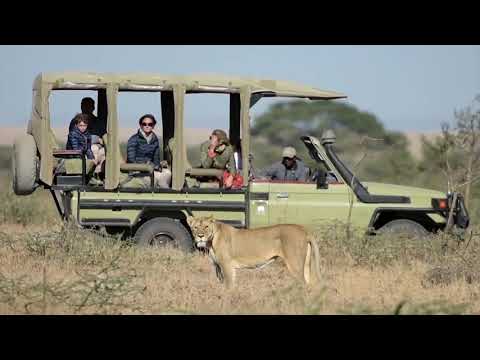
After several days on the mountain, you can continue to Serengeti National Park for wildlife viewing, explore the Ngorongoro Crater or relax on the beaches of Zanzibar.
For travelers who want a complete Tanzanian adventure, a combination of Kilimanjaro, safari and Zanzibar can bring together mountain adventure, wildlife and tropical relaxation in one journey.
Frequently Asked Questions About Mount Kilimanjaro
How high is Mount Kilimanjaro?
Mount Kilimanjaro rises to 5,895 metres (19,341 feet), making it the highest mountain in Africa.
How long does it take to climb Kilimanjaro?
Kilimanjaro climbs generally take several days, with the exact duration depending on the route and itinerary. Longer itineraries usually allow more time for gradual acclimatization.
Can beginners climb Mount Kilimanjaro?
Yes. Beginners can climb Kilimanjaro with appropriate preparation, a suitable route and professional guidance.
Do I need technical climbing experience?
No. The established trekking routes do not normally require technical mountaineering skills, although the mountain is physically demanding and reaches very high altitude.
What is the best Kilimanjaro route?
The best route depends on your priorities. Longer routes can offer more time for acclimatization, while different routes provide different scenery, accommodation and trekking experiences.
When is the best time to climb Kilimanjaro?
Kilimanjaro can be climbed during much of the year. Many travelers prefer periods with generally drier weather, but the best time depends on your travel priorities and itinerary.
Can I combine Kilimanjaro with a safari?
Absolutely. Kilimanjaro combines very well with Serengeti, Ngorongoro, Tarangire and other northern Tanzania safari destinations, as well as Zanzibar.
Begin Your Mount Kilimanjaro Adventure
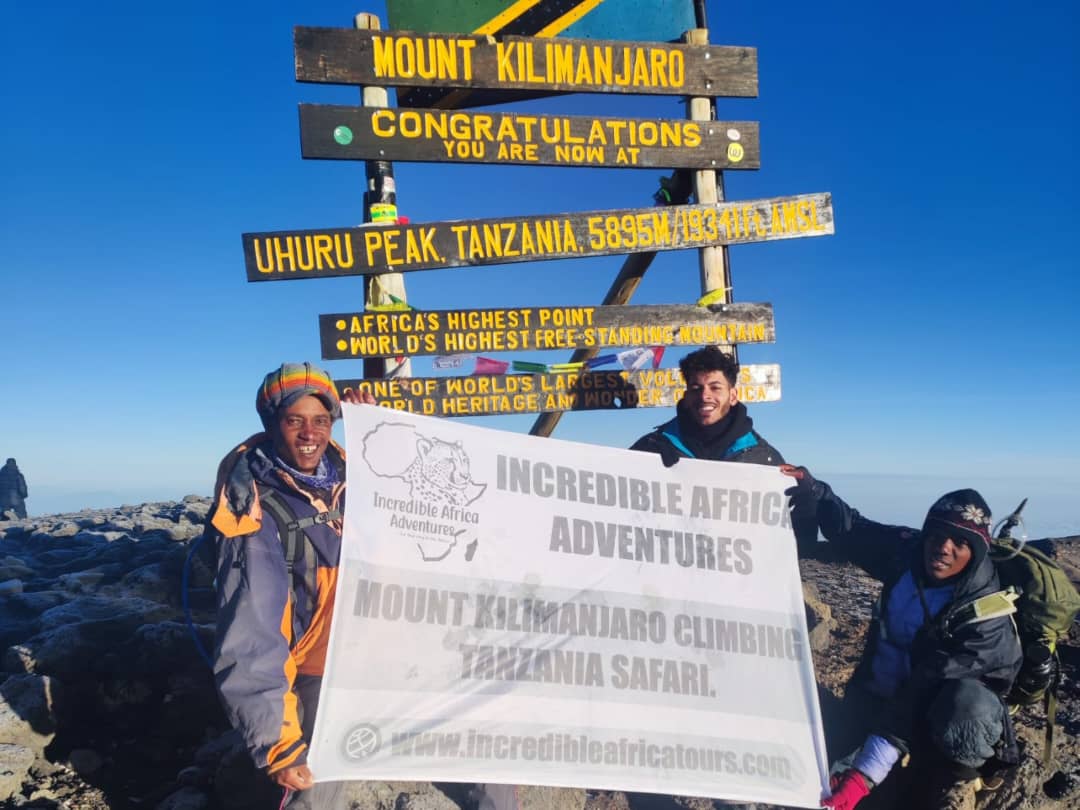
Standing on Uhuru Peak is an achievement you will remember for the rest of your life. The journey to that moment deserves careful planning, honest advice and a team that understands the mountain.
Explore our Mount Kilimanjaro climbing packages or contact Incredible Africa Adventures to begin planning your journey to the Roof of Africa.