Nyerere National Park
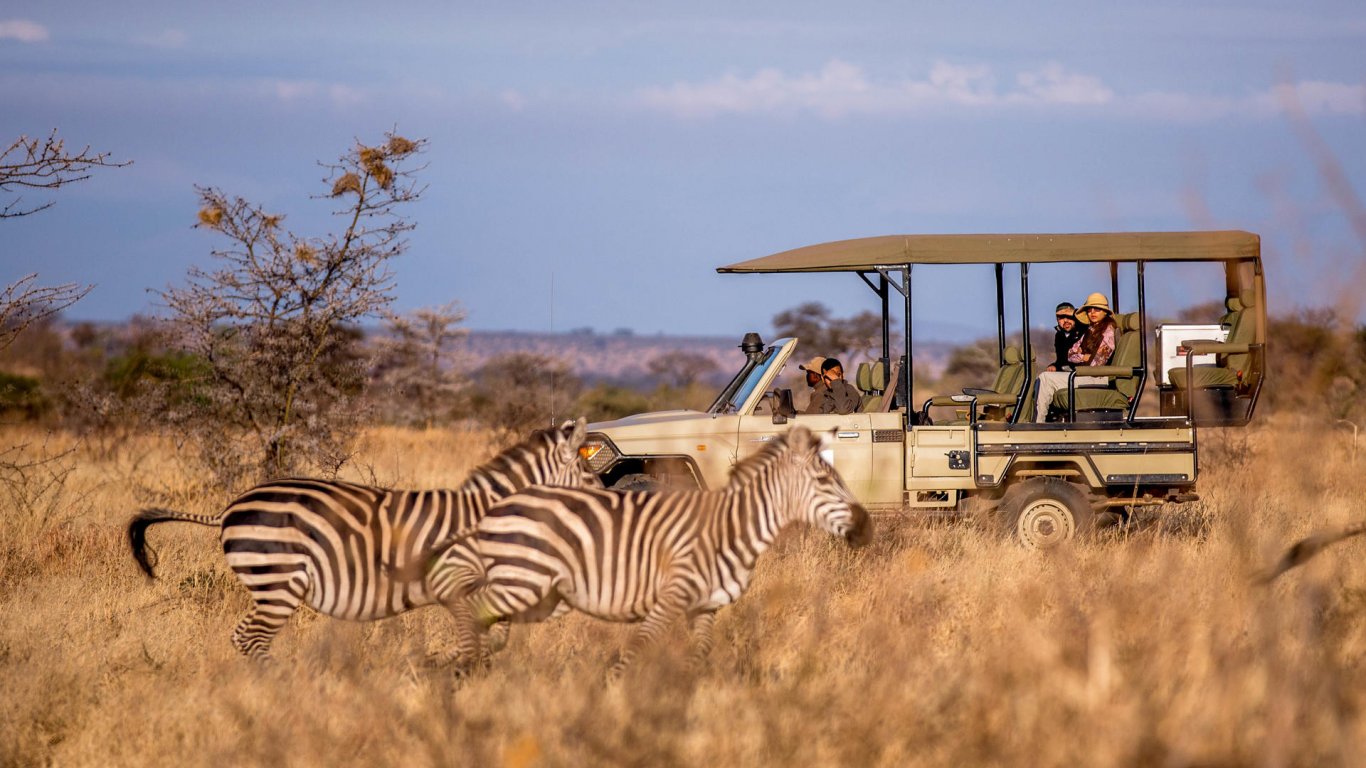
Tanzania’s Great Southern Wilderness
Nyerere National Park is one of Tanzania’s most distinctive safari destinations, where vast wilderness, the Rufiji River, floodplains, woodland and waterways create a safari experience very different from the classic northern circuit.
The park was created from the northern sector of the former Selous Game Reserve and today protects an enormous landscape of miombo woodland, riverine habitats, grasslands, floodplains and the channels and lakes of the Rufiji River.
For travelers looking for a more immersive southern Tanzania experience, Nyerere offers the chance to experience wildlife from the vehicle, water and, where permitted, on foot.
Why Is Nyerere National Park Famous?
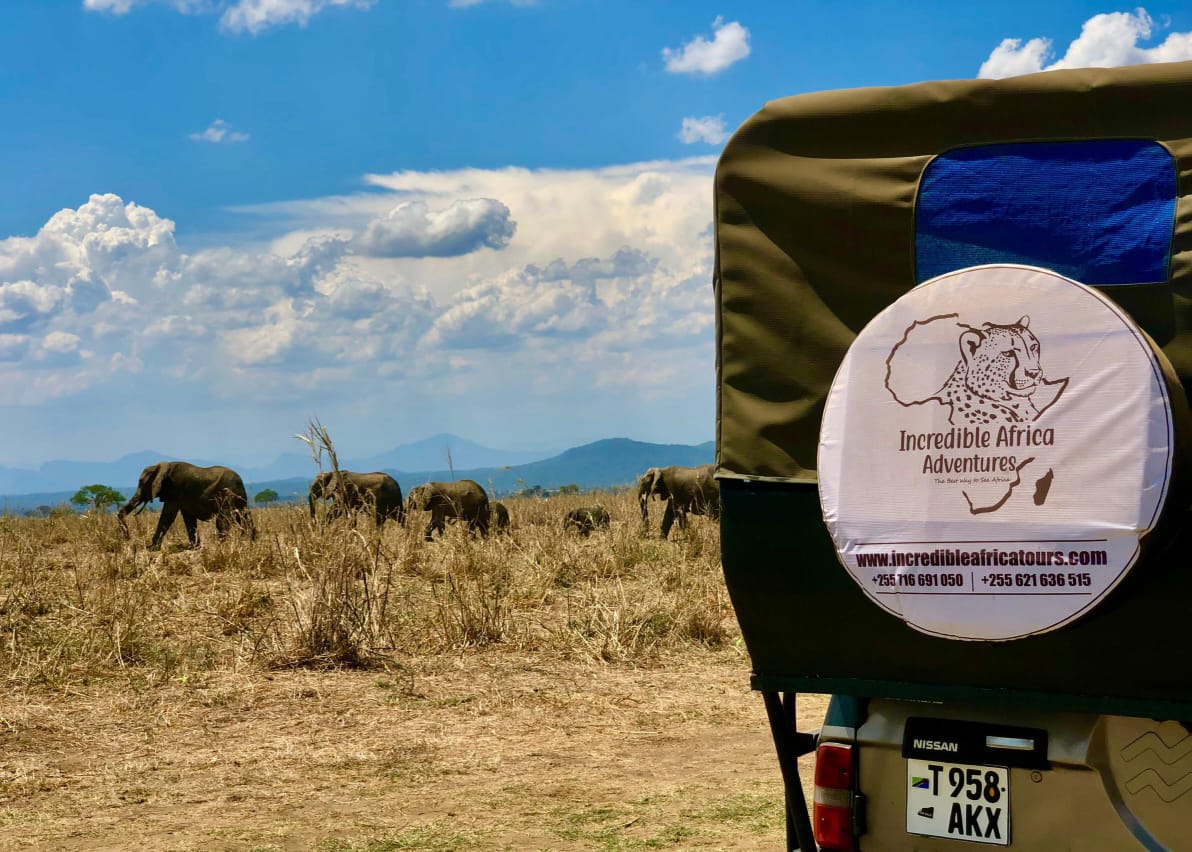
Nyerere is particularly known for the Rufiji River, African wild dogs, elephants, hippos, crocodiles, lions and its enormous wilderness landscapes.
The Rufiji is central to the character of the park. Its braided channels, oxbow lakes, wetlands and floodplains provide habitat for wildlife while creating opportunities for boat-based wildlife viewing. TANAPA describes the Rufiji as one of the defining features of Nyerere's ecology and scenery.
Nyerere is also an important stronghold for African wild dogs, one of Africa's most fascinating and increasingly threatened predators.
The Rufiji River: A Different Kind of Safari
One of the greatest differences between Nyerere and many northern safari destinations is the opportunity to experience the wilderness from the water.
A boat safari on the Rufiji River can bring you close to hippos, crocodiles and waterbirds while revealing a different perspective on the landscape.
You may drift past sandbanks, channels, wetlands and riverine vegetation while your guide explains the ecology and behavior of the animals around you.
TANAPA currently lists boat safaris among the park's visitor activities.
African Wild Dogs in Nyerere
African wild dogs are one of the reasons wildlife enthusiasts seek out Nyerere.
The park is recognized by TANAPA as one of East Africa's strongholds for this remarkable species.
Wild dogs are highly social and can travel considerable distances, meaning sightings are never guaranteed. But searching for them adds an exciting dimension to a Nyerere safari.
A knowledgeable guide can use tracks, recent sightings and local knowledge to help locate wildlife while respecting appropriate viewing distances.
What Other Wildlife Can You See?
Nyerere supports a broad range of wildlife across its floodplains, woodlands and river systems.
Elephants, buffalo, giraffes, impala, waterbuck and other antelope can be encountered, while lions, leopards and hyenas occupy the predator community. Hippos and crocodiles are particularly associated with the Rufiji River and its waterways.
TANAPA also highlights sable and Lichtenstein's hartebeest among the antelope species found in the park.
Boat Safari, Game Drive and Walking Safari
Nyerere offers a combination of experiences that makes it particularly distinctive.
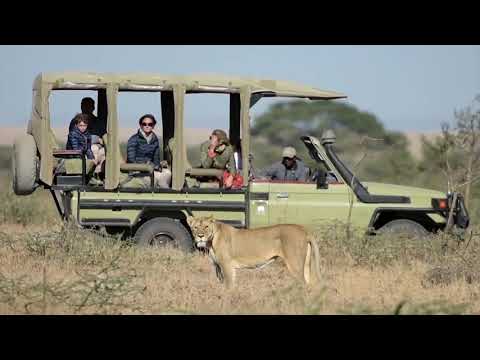
Game drives allow you to explore open plains, woodland and wildlife-rich areas by vehicle.
Boat safaris reveal the Rufiji River, hippos, crocodiles, waterbirds and riverine habitats from the water.
Guided walking safaris, where available and permitted, offer a slower and more intimate way to experience the bush, focusing on tracks, plants, insects, birds and smaller signs of wildlife.
TANAPA currently lists game viewing, guided walking safaris and boat safaris among Nyerere's visitor experiences.
Nyerere for Bird Watching
The Rufiji River and surrounding wetlands create excellent habitat for birdlife.
TANAPA currently records more than 430 bird species, including fish eagles, kingfishers, bee-eaters and wetland birds.
Boat safaris can be particularly rewarding for bird watchers because waterways, sandbanks and riverine habitats attract species that may be difficult to observe from a conventional game-drive vehicle.
When Is the Best Time to Visit Nyerere?
Nyerere can be visited at different times of year, but seasonal changes strongly influence wildlife movement and the character of the Rufiji ecosystem.
During the drier months, wildlife may become more concentrated around water and accessible habitats, which can make game viewing productive.
During wetter periods, the landscape becomes greener and water levels change, influencing animal movements and access to different areas.
Because Nyerere is a large and dynamic wilderness, your guide's local knowledge and the specific conditions during your visit are important.
How Many Days Do You Need in Nyerere?
For a meaningful introduction to Nyerere, three days or more is a good starting point.
A longer stay allows you to experience the park through different activities rather than spending the entire safari in a vehicle.
For example, a three- or four-day itinerary can combine game drives with a Rufiji boat safari and, where permitted, a guided walking experience.
This slower pace is one of the reasons travelers choose southern Tanzania.
Nyerere vs Serengeti
Nyerere and Serengeti offer very different safari experiences.
The Serengeti is famous for vast open plains and the Great Migration, while Nyerere is characterized by rivers, wetlands, miombo woodland, floodplains and a more water-based safari experience.
Nyerere is particularly attractive for travelers who want boat safaris, African wild dogs and a more varied combination of land and water experiences.
Rather than asking which destination is universally better, consider what type of safari you want. The two destinations showcase very different sides of Tanzania's wildlife heritage.
Nyerere vs the Historic Selous Game Reserve
Travelers researching southern Tanzania will often encounter both names.
Selous Game Reserve is the historic name associated with the much larger protected landscape, while Nyerere National Park was established from the northern sector of that former reserve.
Today, travelers booking a safari in Nyerere should use the current park name when referring to the national park itself.
The wider Selous ecosystem and historical identity remain important to understanding the region, which is why many travelers and tourism businesses still use the phrase “Selous” when discussing southern Tanzania.
Can Nyerere Be Combined With Mikumi?
Yes. Mikumi and Nyerere can make a strong southern Tanzania combination because the landscapes and experiences complement one another.
Mikumi provides accessible savannah wildlife around the Mkata floodplain, while Nyerere adds the Rufiji River, boat safaris, wetlands, wild dogs and expansive wilderness.
For travelers arriving through Dar es Salaam, a southern circuit can be particularly convenient.
Can Nyerere Be Combined With Zanzibar?
Absolutely. A southern Tanzania safari followed by Zanzibar creates an appealing combination of wildlife and beach experiences.
You can spend several days exploring Nyerere by game vehicle and boat before continuing to the Indian Ocean for a few days of relaxation in Zanzibar.
This is especially attractive for honeymooners, couples and travelers who want a safari without spending their entire holiday on the road.
Nyerere for Photographers
Nyerere offers exceptional variety for wildlife and landscape photographers.
The Rufiji River creates opportunities for reflections, hippos, crocodiles, waterbirds and dramatic river scenes, while elephants, buffalo, giraffes and predators provide traditional wildlife photography opportunities.
The ability to photograph from a boat adds perspectives that are difficult to achieve on a conventional safari.
Why Visit Nyerere With Incredible Africa Adventures?
Incredible Africa Adventures is a locally owned Tanzania tour company based in Moshi, and we can design southern Tanzania safaris around your interests and available time.
We can arrange private or small-group experiences combining game drives, boat safaris and other permitted activities while coordinating accommodation and transfers.
Our approach is to give you time to experience the destination rather than simply ticking animals off a list.
Whether Nyerere is your main safari destination or part of a larger itinerary with Mikumi and Zanzibar, we can build the journey around your travel style.
Frequently Asked Questions About Nyerere National Park
Is Nyerere National Park the same as Selous?
Nyerere National Park was created from the northern sector of the former Selous Game Reserve. The historical Selous name remains important when discussing the wider southern Tanzania landscape.
What is Nyerere National Park famous for?
It is particularly known for the Rufiji River, boat safaris, African wild dogs, elephants, hippos, crocodiles, lions and vast wilderness landscapes.
Can I take a boat safari in Nyerere?
Yes. Boat safaris on the Rufiji River are among the park's listed visitor activities.
Can I see African wild dogs in Nyerere?
Nyerere is an important stronghold for African wild dogs, but sightings are never guaranteed because they are wild, wide-ranging animals.
How many days should I spend in Nyerere?
Three days is a good starting point, particularly if you want to experience more than game drives and include a boat safari.
Is Nyerere good for bird watching?
Yes. TANAPA currently records more than 430 bird species, with particularly rich habitats around the Rufiji River and wetlands.
Can I combine Nyerere with Zanzibar?
Yes. A Nyerere safari followed by a Zanzibar beach holiday is an excellent way to combine southern Tanzania wildlife with an Indian Ocean escape.
Plan Your Nyerere National Park Safari
From African wild dogs and elephants to hippos and crocodiles along the Rufiji River, Nyerere offers a very different perspective on Tanzania's wilderness.
Add a boat safari, explore the park by vehicle and, where permitted, experience the bush on foot before continuing to Zanzibar or another destination.
Plan My Trip and let us design your southern Tanzania safari around the experiences you want most.