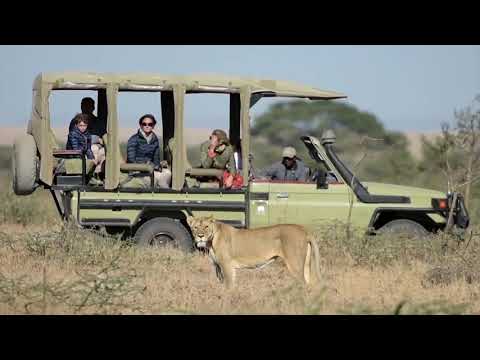
Tsavo National Park

Explore Kenya’s Vast Wilderness
Tsavo is one of Kenya's great wilderness destinations, a vast landscape of red earth, volcanic hills, open savannah, woodland, rivers and wildlife stretching across southeastern Kenya.
The destination is generally experienced through Tsavo East and Tsavo West National Parks, which together form one of Kenya's most significant protected landscapes.
Tsavo East is known for its vast semi-arid wilderness, red-dust elephants, Galana River and Yatta Plateau, while Tsavo West is characterized by volcanic landscapes, Mzima Springs, hills, lava flows and diverse wildlife.
Why Is Tsavo Famous?
Tsavo is famous for its enormous scale, elephants, dramatic landscapes and the contrast between its eastern and western environments.
Tsavo East offers expansive plains and semi-arid wilderness.
Tsavo West adds volcanic scenery, springs, hills, lava formations and lush pockets of vegetation.
Together, they provide a safari experience that feels different from the more concentrated wildlife landscapes of the Maasai Mara.
Tsavo East: The Red-Earth Wilderness
Tsavo East is Kenya's largest national park according to KWS and is particularly recognizable for its semi-arid landscapes and red-colored elephants.
The park's scenery includes open plains, acacia scrub, volcanic landscapes and the Galana River.
The Yatta Plateau, formed by one of the world's longest lava flows, is another defining geological feature of Tsavo East.
Tsavo West: Volcanic Landscapes and Mzima Springs
Tsavo West offers a very different landscape.
Its volcanic terrain includes lava flows, hills, springs and open savannah.
Mzima Springs is one of the park's best-known attractions, where clear water emerges from beneath volcanic terrain and creates a lush oasis supporting wildlife and birdlife.
The park also contains the Shetani Lava Flow, a striking reminder of the area's volcanic history.
What Wildlife Can You See in Tsavo?
Tsavo supports elephants, lions, buffalo, giraffes, zebras, antelope and many other species.
Tsavo West is also home to important rhino conservation areas, while KWS highlights the wider biodiversity of the park and records more than 600 bird species.
Wildlife density varies across the enormous Tsavo ecosystem, so a longer stay can provide a richer experience than trying to cover the destination in a single rushed day.
Tsavo Elephants
Elephants are one of Tsavo's defining wildlife experiences.
The red coloration often seen on Tsavo elephants is largely associated with the animals dusting themselves with the park's distinctive red soil.
Watching elephant families move through the open landscape provides a powerful reminder of the scale and wildness of the Tsavo ecosystem.
When Is the Best Time to Visit Tsavo?
Tsavo can be visited throughout the year.
The drier months often make wildlife viewing easier because vegetation is less dense and animals may concentrate around available water.
The greener seasons bring fresh vegetation, dramatic skies and excellent opportunities for photography and birding.
Because Tsavo covers such a large area, local conditions can vary considerably between different parts of the park.
How Many Days Do You Need in Tsavo?
For a meaningful Tsavo experience, two to three nights is a useful starting point.
A longer itinerary can allow travelers to explore both Tsavo East and Tsavo West rather than treating them as a quick stop.
Tsavo also works very well as part of a coastal Kenya safari, particularly for travelers staying around Mombasa or heading toward the Kenyan coast.
Tsavo for Photographers
Tsavo offers extraordinary photographic variety.
Red-earth landscapes, elephants, volcanic hills, springs, open plains and dramatic skies create a visual environment very different from the Mara.
Tsavo West is particularly appealing to landscape photographers because of its volcanic terrain, while Tsavo East offers expansive wilderness and striking wildlife scenes.
Can Tsavo Be Combined With Amboseli?
Yes. A southern Kenya itinerary can combine: Amboseli - Tsavo West - Tsavo East - Kenyan Coast
This creates a journey through several contrasting landscapes, from Kilimanjaro views and elephant country to volcanic wilderness and the Indian Ocean.
Can Tsavo Be Combined With Tanzania?
Yes. Tsavo's location near the Tanzania border makes cross-border Kenya-Tanzania itineraries possible.
Travelers can combine Tsavo with northern Tanzania destinations such as Arusha, Kilimanjaro, Tarangire and Serengeti depending on border arrangements, transport and available time.
Why Visit Tsavo With Incredible Africa Adventures?
Incredible Africa Adventures can incorporate Tsavo into a Kenya safari or a broader Kenya-Tanzania adventure.
Our approach is to design the route around the destinations that genuinely fit your interests rather than trying to squeeze every park into one itinerary.
Whether you want wildlife photography, elephants, geological landscapes, a family safari or a Kenya-Tanzania journey, we can build the experience around you.
Frequently Asked Questions About Tsavo
Is Tsavo one park or two?
The Tsavo destination is generally experienced through Tsavo East and Tsavo West National Parks, each with its own landscapes and attractions.
What is Tsavo famous for?
Tsavo is famous for elephants, vast wilderness, red-earth landscapes, volcanic scenery, Mzima Springs and diverse wildlife.
Which animals can I see in Tsavo?
Elephants, lions, buffalo, giraffes, zebras and many other species can be encountered, although wildlife sightings cannot be guaranteed.
Is Tsavo good for bird watching?
Yes. Tsavo West alone is currently listed by KWS as having more than 600 recorded bird species.
How many days should I spend in Tsavo?
Two to three nights is a good starting point, with longer stays worthwhile if you want to explore both eastern and western sections.
Plan Your Tsavo Safari
From red-earth elephants and endless plains to volcanic hills and crystal-clear springs, Tsavo reveals a different side of Kenya's wilderness.
Plan My Trip and let us create your Tsavo safari or Kenya-Tanzania adventure.