Lake Manyara National Park
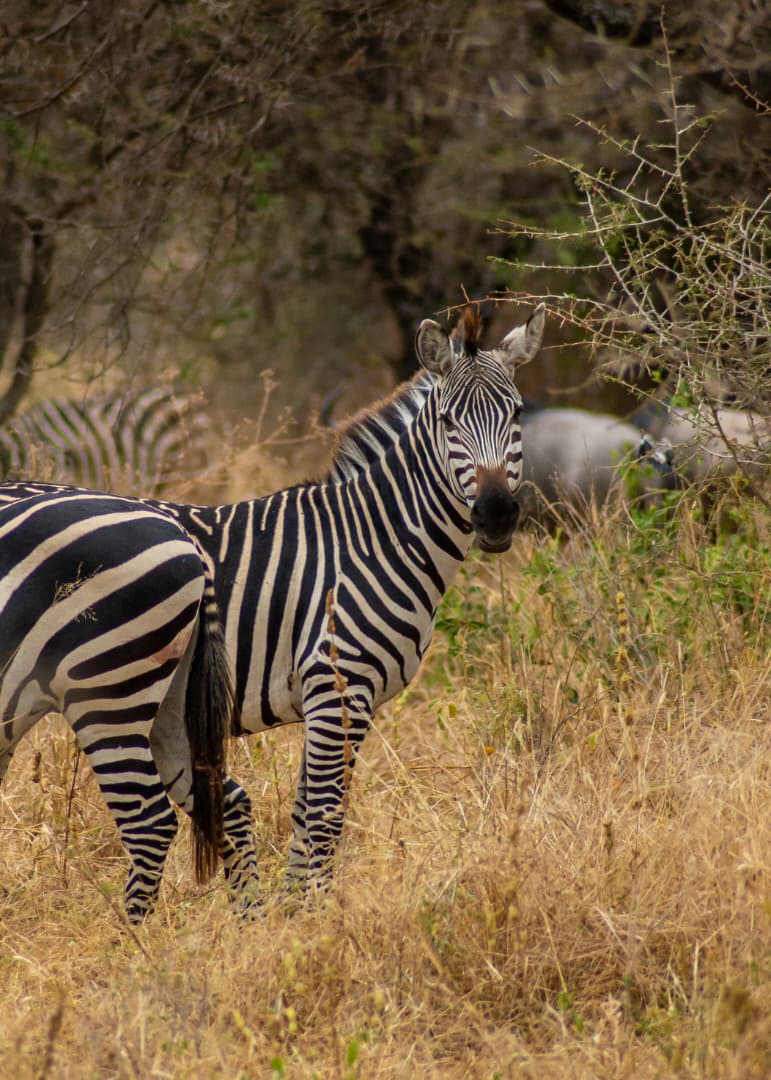
Where Forest, Wildlife and the Great Rift Valley Meet
Lake Manyara National Park is one of Tanzania’s most fascinating compact safari destinations, bringing together lush groundwater forests, open floodplains, acacia woodland, wetlands and the dramatic wall of the Great Rift Valley.
The park may be smaller than Tanzania’s vast wilderness areas, but its variety is remarkable. Within a relatively compact landscape, visitors can experience forest wildlife, elephants, tree-climbing lions, hippos, giraffes, colorful birdlife and the seasonal beauty of Lake Manyara itself.
Why Is Lake Manyara National Park Famous?
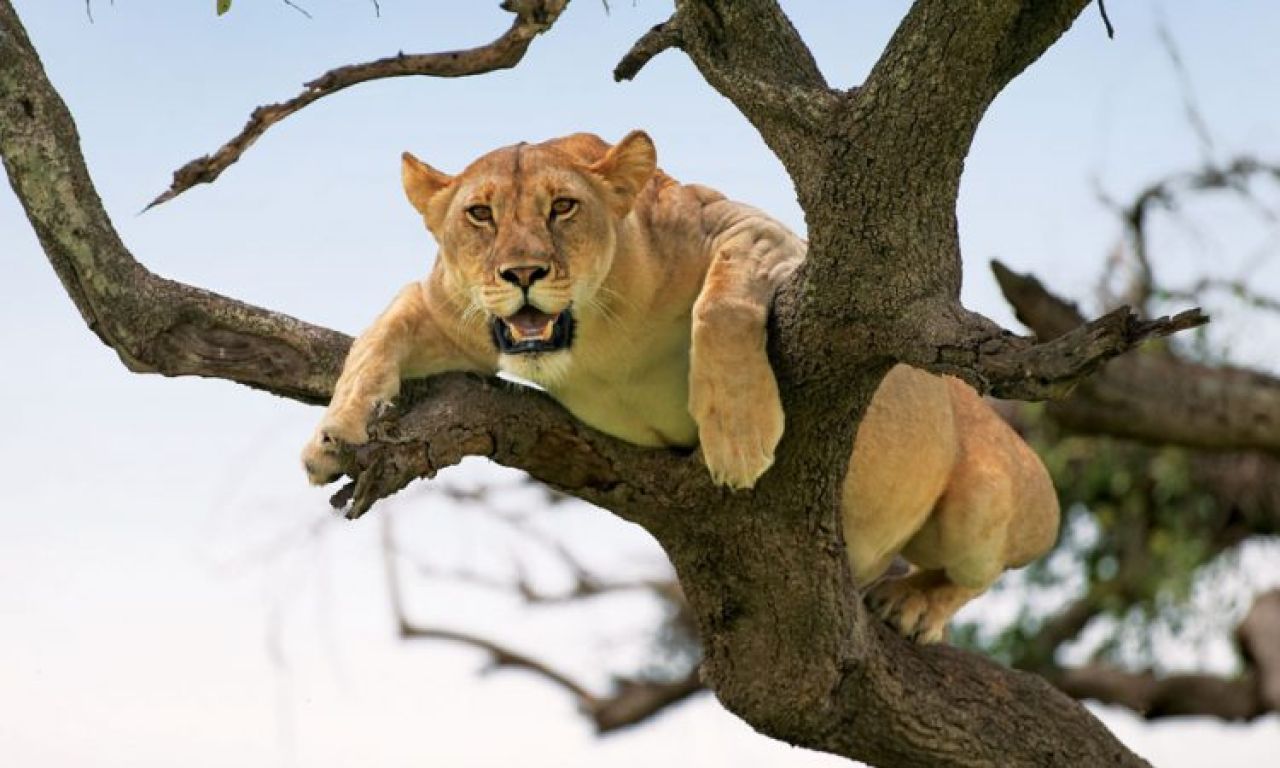
Lake Manyara is best known for its tree-climbing lions, lush groundwater forest and bird-rich alkaline lake.
The park lies at the base of the Great Rift Valley escarpment, creating a dramatic backdrop to the lake and surrounding wildlife habitats. Its forests are fed by groundwater springs, while the lake and wetlands attract flamingos and many other waterbirds.
This combination makes Manyara different from the open grassland landscapes that characterize much of the Serengeti.
What Wildlife Can You See in Lake Manyara?
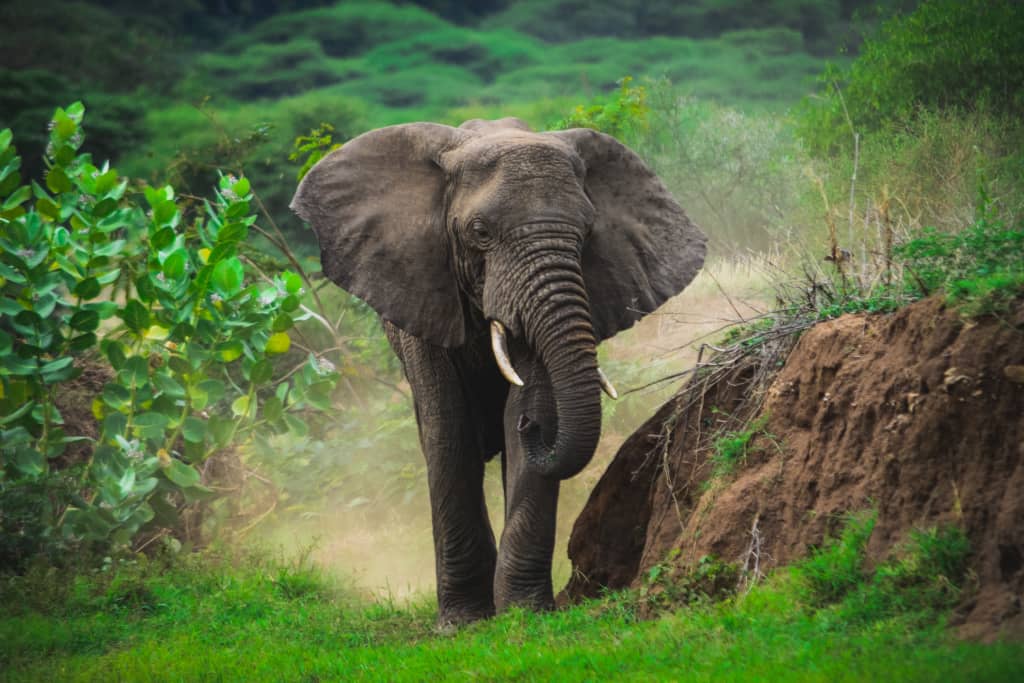
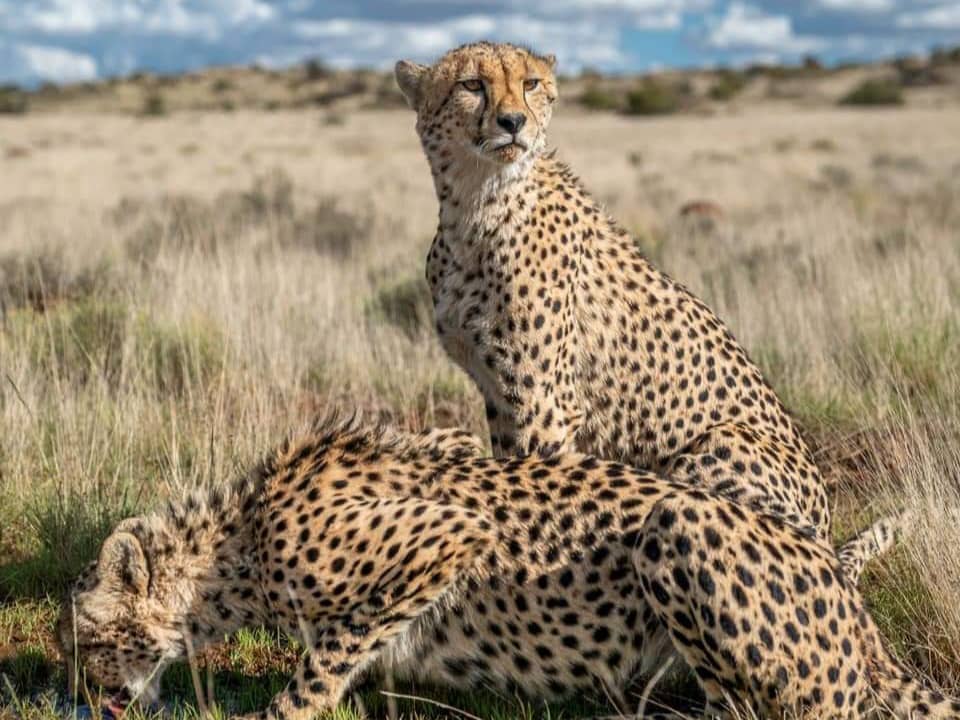
Lake Manyara supports elephants, buffalo, giraffes, zebras, wildebeest and a variety of antelope. Hippos can be observed around suitable wetland areas, while the forest provides habitat for blue monkeys, baboons and other species.
And then there are the park's famous lions.
Tree-climbing lions are one of Manyara’s most memorable attractions, although, as with any wildlife behavior, seeing lions in trees cannot be guaranteed. The opportunity to search for them while exploring the park’s varied habitats is part of what makes a Manyara safari special.
Lake Manyara’s Groundwater Forest
One of the first things that distinguishes Manyara is its lush groundwater forest.
Towering trees create a cool, green environment that feels completely different from the dry-season plains found elsewhere on the Northern Safari Circuit. Blue monkeys, baboons and numerous bird species can be encountered in and around this forest habitat.
For visitors traveling through several northern parks, the forest provides a welcome change of scenery and demonstrates just how varied Tanzania’s ecosystems can be.
Lake Manyara, Flamingos and Waterbirds
The alkaline lake is another defining feature of the park.
Depending on water levels, season and conditions, the lake can attract large numbers of flamingos and other waterbirds. Pelicans, storks, herons and other species also use the lake, wetlands and surrounding habitats.
Lake Manyara is therefore particularly appealing to bird watchers and photographers who enjoy landscapes as much as large mammals.
TANAPA currently lists more than 390 bird species for the park, while another current TANAPA wildlife page notes more than 400 species recorded, reflecting the richness of its birdlife.
The Great Rift Valley Escarpment
The dramatic escarpment provides one of Manyara’s most striking visual features.
Rising above the park, the Rift Valley wall creates a powerful backdrop to the lake, forests and open plains. Viewpoints along the park provide opportunities to appreciate the relationship between the landscape and the wildlife habitats below.
For photographers, this combination of cliffs, forest, lake and wildlife creates a visual experience quite different from the endless horizons of the Serengeti.
When Is the Best Time to Visit Lake Manyara?
Lake Manyara is open year-round, but different seasons offer different experiences.
The drier periods can be favorable for general wildlife viewing, while the wetter and greener months can bring lush vegetation, attractive landscapes and strong birding opportunities.
Because the lake and its surrounding wetlands are dynamic environments, water levels and bird concentrations can change naturally. For this reason, it is better to plan around your overall Tanzania itinerary rather than expect one exact wildlife spectacle on a particular day.
Is Lake Manyara Worth Visiting?
Yes, particularly for travelers who appreciate varied landscapes, birdlife, forest ecosystems and unusual wildlife behavior.
Manyara should not be judged only by the size of its wildlife population compared with the Serengeti. Its strength is diversity. A single game drive can move from forest to floodplain, woodland and lakeshore, with the Rift Valley escarpment creating a dramatic backdrop.
It is this variety that makes Lake Manyara a valuable part of a Northern Tanzania safari.
How Many Days Do You Need in Lake Manyara?
Many travelers explore Lake Manyara on a full-day safari, particularly when traveling between Tarangire, Ngorongoro and other Northern Circuit destinations.
An overnight stay can make sense if you want a slower itinerary, more time for bird watching or additional activities around the Mto wa Mbu area.
The park is also conveniently positioned near Mto wa Mbu and the main Northern Circuit route, making it relatively easy to combine with Ngorongoro and Serengeti.
Lake Manyara for Bird Watchers
Lake Manyara is an especially attractive destination for bird enthusiasts.
Its combination of lake, wetlands, groundwater forest, woodland and open areas creates habitat for a wide range of resident and migratory birds. Fish eagles, storks, herons, bee-eaters, pelicans and other waterbirds can be encountered depending on the season and conditions.
If bird watching is one of your priorities, tell us before your safari so we can build the itinerary and timing around it.
Activities at Lake Manyara National Park
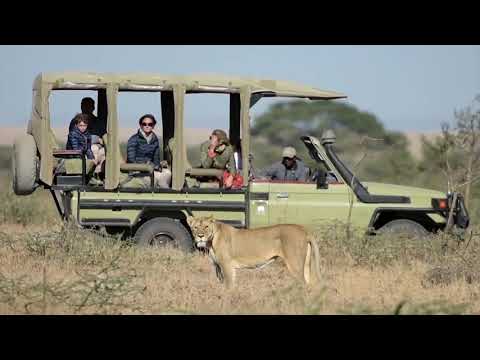
Game drives are the main way to explore the park, but Lake Manyara also offers opportunities for bird watching, photography and other experiences where permitted.
The park also has a canopy walkway that provides an elevated perspective through the forest, with viewing platforms where visitors can observe birds, monkeys and the surrounding vegetation.
Depending on the itinerary and current park regulations, travelers may also explore cultural experiences around the nearby Mto wa Mbu area.
Is Lake Manyara Good for Families?
Lake Manyara can be an excellent addition to a family safari because it offers a variety of scenery and wildlife without requiring several days in the same environment.
A well-paced family itinerary can combine a Manyara game drive with Tarangire, Ngorongoro and Serengeti, while leaving enough time for rest and other activities.
For families, we can adjust driving times, accommodation, meal arrangements and activities according to the ages and interests of the children.
Can Lake Manyara Be Combined With Tarangire and Ngorongoro?
Yes, and this is one of the most effective ways to experience the diversity of northern Tanzania.
Tarangire introduces you to elephant country, baobab landscapes and seasonal river wildlife.
Lake Manyara adds groundwater forests, Rift Valley scenery, birdlife and the possibility of seeing tree-climbing lions.
Ngorongoro Crater brings a completely different volcanic environment and exceptional wildlife viewing.
Serengeti then opens into vast savannah landscapes and the world-famous Great Migration ecosystem.
Together, these destinations create a much richer safari than visiting any one park in isolation.
Why Visit Lake Manyara With Incredible Africa Adventures?
Incredible Africa Adventures is a locally owned Tanzania tour company based in Moshi. We design private and small-group safaris based on your interests, travel dates, preferred accommodation and available time.
Whether you are planning your first Tanzania safari, a family adventure, honeymoon, photography trip, birding safari or a longer Northern Circuit journey, we can combine Lake Manyara with the destinations that best fit your travel goals.
Our approach is simple: thoughtful planning, knowledgeable local guiding, responsible wildlife viewing and enough flexibility to enjoy the journey rather than rushing through it.
Frequently Asked Questions About Lake Manyara
What is Lake Manyara National Park famous for?
It is particularly famous for tree-climbing lions, elephants, groundwater forests, birdlife, flamingos and its dramatic Great Rift Valley setting.
Can you see tree-climbing lions in Lake Manyara?
Tree-climbing lions are one of the park’s signature attractions, but wildlife sightings and specific animal behavior can never be guaranteed.
Is Lake Manyara good for bird watching?
Yes. The park contains a wide variety of habitats and has more than 390 recorded bird species according to the current TANAPA park page.
How long should I spend at Lake Manyara?
A full-day visit is common, but an overnight stay can be worthwhile if you prefer a slower itinerary or want more time for bird watching and nearby experiences.
Can Lake Manyara be combined with Serengeti?
Yes. Manyara can be combined with Tarangire, Ngorongoro Crater and Serengeti as part of a Northern Tanzania safari.
Is Lake Manyara open all year?
Yes. TANAPA currently lists the park as open year-round, although seasonal conditions can affect landscapes, roads and wildlife distribution.
Plan Your Lake Manyara Safari
From the cool shade of the groundwater forest to flamingo-filled lake shores, dramatic Rift Valley scenery and the possibility of spotting lions resting in trees, Lake Manyara offers a distinctly different side of Tanzania.
Let us design a safari that combines Lake Manyara with Tarangire, Ngorongoro, Serengeti or other experiences according to your time and interests.
Plan My Trip and start creating your Tanzania adventure with our local team.