Tarangire National Park

Tanzania’s Elephant Country and Baobab Wilderness
Tarangire National Park is one of Tanzania’s most distinctive safari destinations, where enormous elephant herds move through open savannah beneath ancient baobab trees. The park’s seasonal rivers, swamps, woodlands and grasslands create a remarkable landscape that changes with the seasons, making Tarangire much more than a short stop on the Northern Tanzania safari circuit.
Located in northern Tanzania, Tarangire is named after the Tarangire River, which becomes an important source of water during the dry season. As surrounding areas become drier, wildlife gathers around the river and other permanent water sources, creating excellent opportunities for game viewing.
Why Is Tarangire National Park Famous?
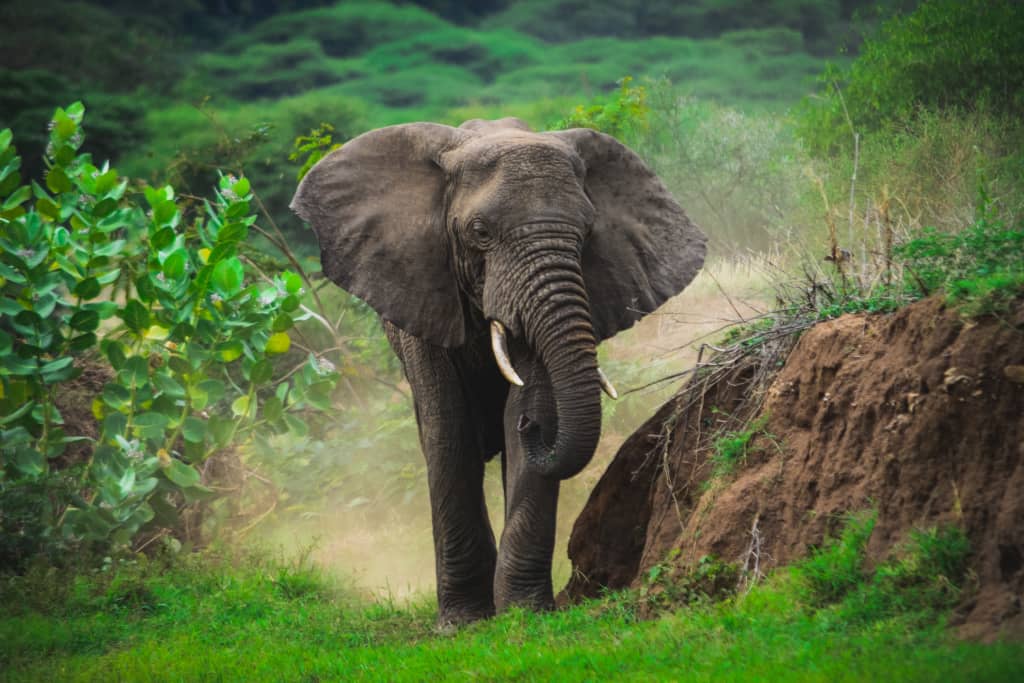
Tarangire is particularly famous for its elephants and spectacular baobab landscapes. Large elephant families can often be seen moving between the river, woodland and open plains, while the park’s enormous baobabs create some of the most recognizable scenery in northern Tanzania.
The park is also an important habitat for a wide variety of wildlife and birds. TANAPA currently records more than 550 bird species in Tarangire, making it especially attractive for travelers who want to combine traditional game viewing with bird watching.
What Wildlife Can You See in Tarangire?
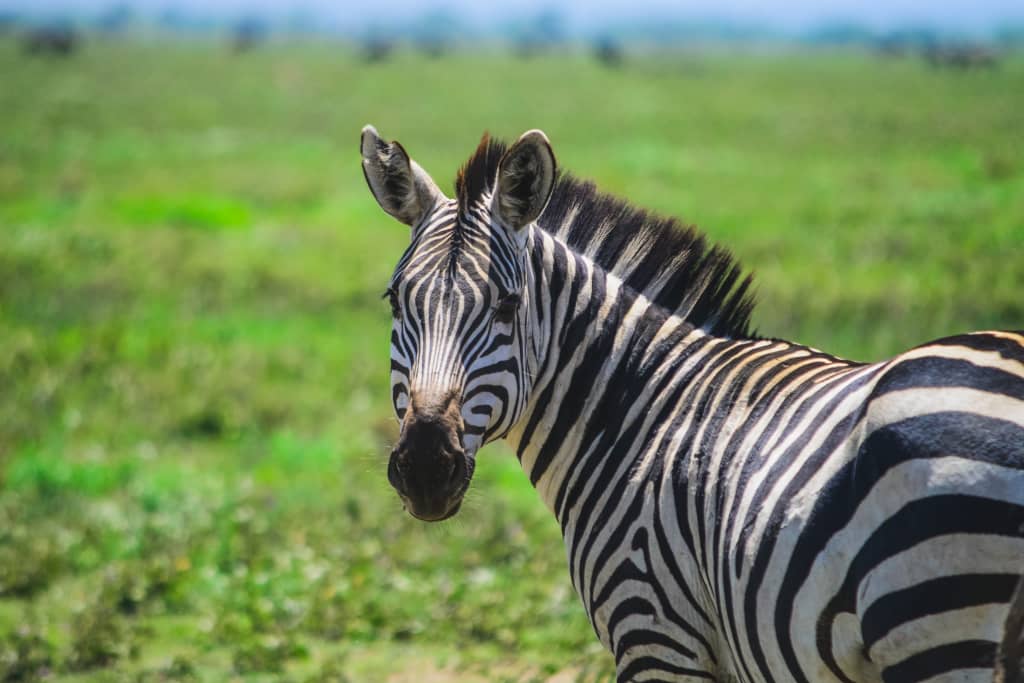
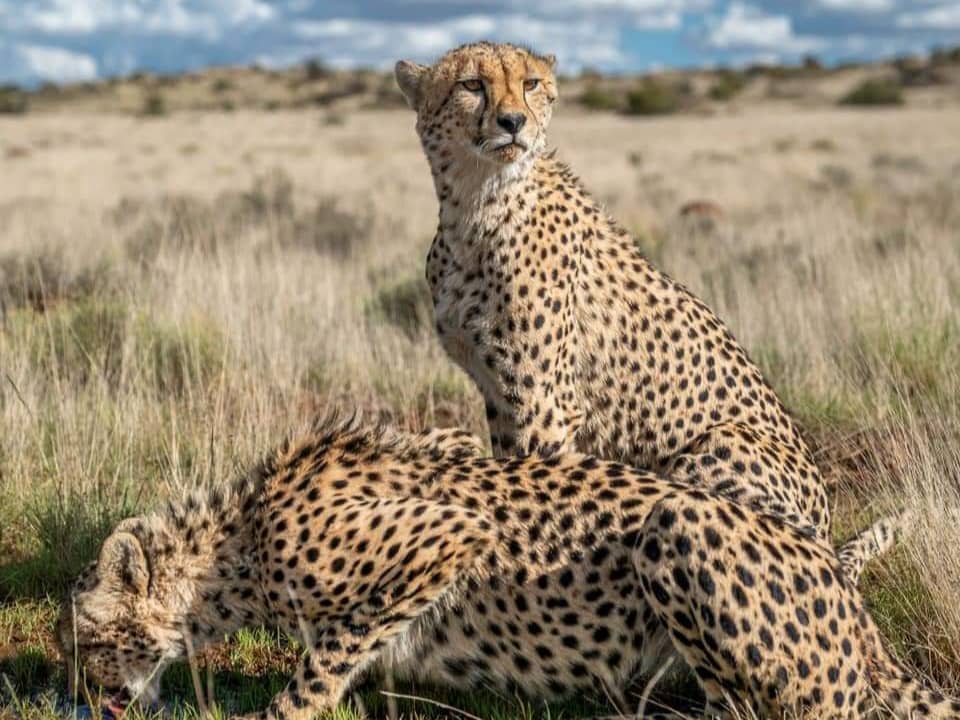
A Tarangire safari can offer sightings of elephants, buffalo, giraffes, zebras, wildebeest, impalas and other plains wildlife. Lions are present, while leopards and other predators may also be encountered depending on the season and location.
One of Tarangire’s special qualities is the variety of habitats within the park. Open grasslands, acacia woodland, riverine areas, seasonal swamps and baobab-covered hills support different species and create constantly changing scenery during a game drive.
The park is also associated with species that can be less commonly encountered elsewhere on the Northern Circuit, including oryx, gerenuk and both greater and lesser kudu. Sightings of rarer species are never guaranteed, but they add another dimension to exploring Tarangire.
The Tarangire River: The Heart of the Park
The Tarangire River is central to the park’s ecology. During the dry season, water becomes increasingly important across the wider ecosystem, and wildlife concentrates around reliable water sources.
This seasonal movement can make the dry months particularly rewarding for game viewing. Elephants, buffalo, zebra, wildebeest and other animals may gather around the river and associated wetlands, giving visitors opportunities to observe wildlife in a natural and active setting.
Tarangire’s Famous Baobab Landscapes
Few things define Tarangire more strongly than its baobabs.
These remarkable trees rise above the savannah and woodland, often standing beside wildlife trails and open plains. Their unusual shapes, enormous trunks and longevity give the landscape a character that feels completely different from the Serengeti.
For photographers, the combination of elephants, baobabs, golden grass and changing African light makes Tarangire particularly rewarding during the early morning and late afternoon.
When Is the Best Time to Visit Tarangire?
Tarangire is a year-round safari destination, but the experience changes significantly with the seasons.
The dry season, particularly June to October, is often considered an excellent period for wildlife viewing because animals become more concentrated around permanent water sources. TANAPA also identifies January and February as dry months between the main rainy periods.
The greener months bring a different atmosphere. Vegetation becomes more vibrant, landscapes can be especially beautiful, and birdlife is a major attraction. The park's year-round character means the best time ultimately depends on whether your priority is concentrated wildlife viewing, greener scenery, birding, photography or combining Tarangire with other destinations.
Is Tarangire Worth Visiting on a Tanzania Safari?
Yes—especially if you appreciate elephants, distinctive landscapes and quieter, more varied safari experiences.
Tarangire should not simply be viewed as a substitute for the Serengeti. Each destination has its own ecological character. Serengeti is renowned for its vast plains and Great Migration, while Tarangire offers a different combination of riverine habitats, elephants, baobabs, woodland and seasonal wildlife movement.
Including both can give you a much broader picture of Tanzania’s wildlife landscapes.
How Many Days Do You Need in Tarangire?
Many travelers visit Tarangire as a full-day safari, particularly when combining it with other Northern Circuit destinations.
An overnight stay can be worthwhile for travelers who want a more relaxed schedule, additional game-viewing time or the opportunity to enjoy the park during the quieter morning and afternoon periods.
Your ideal length depends on the wider itinerary. Tarangire works particularly well when combined with Lake Manyara, Ngorongoro Crater and Serengeti National Park.
Tarangire for Photographers and Bird Watchers
Tarangire is an excellent destination for wildlife photography because of its distinctive backgrounds and diverse habitats. Elephants beneath baobabs, giraffes against open skies and birds around wetlands can create very different photographic opportunities within the same safari.
Bird enthusiasts have even more reason to visit. TANAPA records more than 550 bird species in the park, with habitats ranging from open woodland and grassland to wetlands and the Tarangire River ecosystem.
What Is a Tarangire Safari Like?
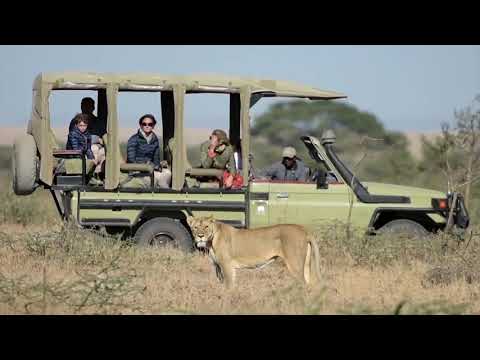
A typical safari begins early in the morning when wildlife is active and temperatures are cooler. Your guide takes you through different sections of the park, looking for wildlife while explaining animal behavior, habitats, tracks and the changing seasonal patterns of the ecosystem.
After a break for lunch, the afternoon can continue with further game viewing before you leave the park or return to your accommodation.
At Incredible Africa Adventures, we believe a safari should not be about rushing from one animal sighting to another. We give you time to observe, photograph and understand the environment around you.
Where Can You Stay Near Tarangire?
Accommodation options range from comfortable lodges and tented camps to more exclusive safari properties. Your choice can depend on your budget, preferred level of comfort and whether you want to stay close to the park or continue toward another Northern Circuit destination.
For travelers combining Tarangire with Lake Manyara, Ngorongoro and Serengeti, we can design the accommodation and driving schedule around the overall rhythm of the safari rather than simply adding nights wherever they fit.
Can Tarangire Be Combined With Lake Manyara and Serengeti?
Absolutely.
A classic Northern Tanzania itinerary can include Tarangire ? Lake Manyara ? Ngorongoro Crater ? Serengeti, although the order can be adjusted according to your arrival point, number of days, accommodation and travel priorities.
Tarangire and Lake Manyara complement one another particularly well because their landscapes and wildlife experiences are different. Adding Ngorongoro and Serengeti then expands the journey into a broader exploration of northern Tanzania.
Why Visit Tarangire With Incredible Africa Adventures?
Incredible Africa Adventures is a locally owned Tanzania tour company based in Moshi, giving you the advantage of working directly with a local team when planning your safari.
We create private and small-group Tanzania safaris around your interests, whether you are looking for wildlife photography, a family adventure, a honeymoon safari, bird watching, a Great Migration experience or a classic Northern Circuit journey.
Our goal is to combine knowledgeable guiding, responsible tourism, comfortable logistics and a personal approach so your safari feels thoughtfully planned rather than mass-produced.
Frequently Asked Questions About Tarangire National Park
Is Tarangire good for a first Tanzania safari?
Yes. Its accessible wildlife, elephants, distinctive landscapes and location on the Northern Safari Circuit make it a practical and rewarding destination for first-time safari travelers.
What animals are famous in Tarangire?
Tarangire is particularly famous for elephants, but visitors can also encounter buffalo, giraffe, zebra, wildebeest, antelope and predators such as lions and leopards. Rare species may also be seen, although wildlife sightings are never guaranteed.
Is Tarangire better in the dry or green season?
Both seasons offer different experiences. The dry season can provide concentrated wildlife viewing around water sources, while the greener periods offer lush scenery and excellent birding opportunities.
Can I visit Tarangire and return to Arusha/Moshi the same day?
Yes. Tarangire can work as a day safari from the Arusha/Moshi area, although an overnight stay can create a more relaxed experience.
Is Tarangire good for bird watching?
Yes. TANAPA currently records more than 550 bird species in the park.
Can I combine Tarangire with the Serengeti?
Yes. Tarangire is commonly combined with Serengeti, Ngorongoro Crater and Lake Manyara as part of a Northern Tanzania safari.
Plan Your Tarangire Safari
From elephant-filled river valleys to ancient baobabs and extraordinary birdlife, Tarangire offers a side of Tanzania that deserves time and attention.
Whether you have one day or are planning a longer Northern Tanzania safari, we can create an itinerary around the experiences that matter most to you.
Plan My Trip and tell us what you would like to experience in Tanzania.