Ngorongoro Crater
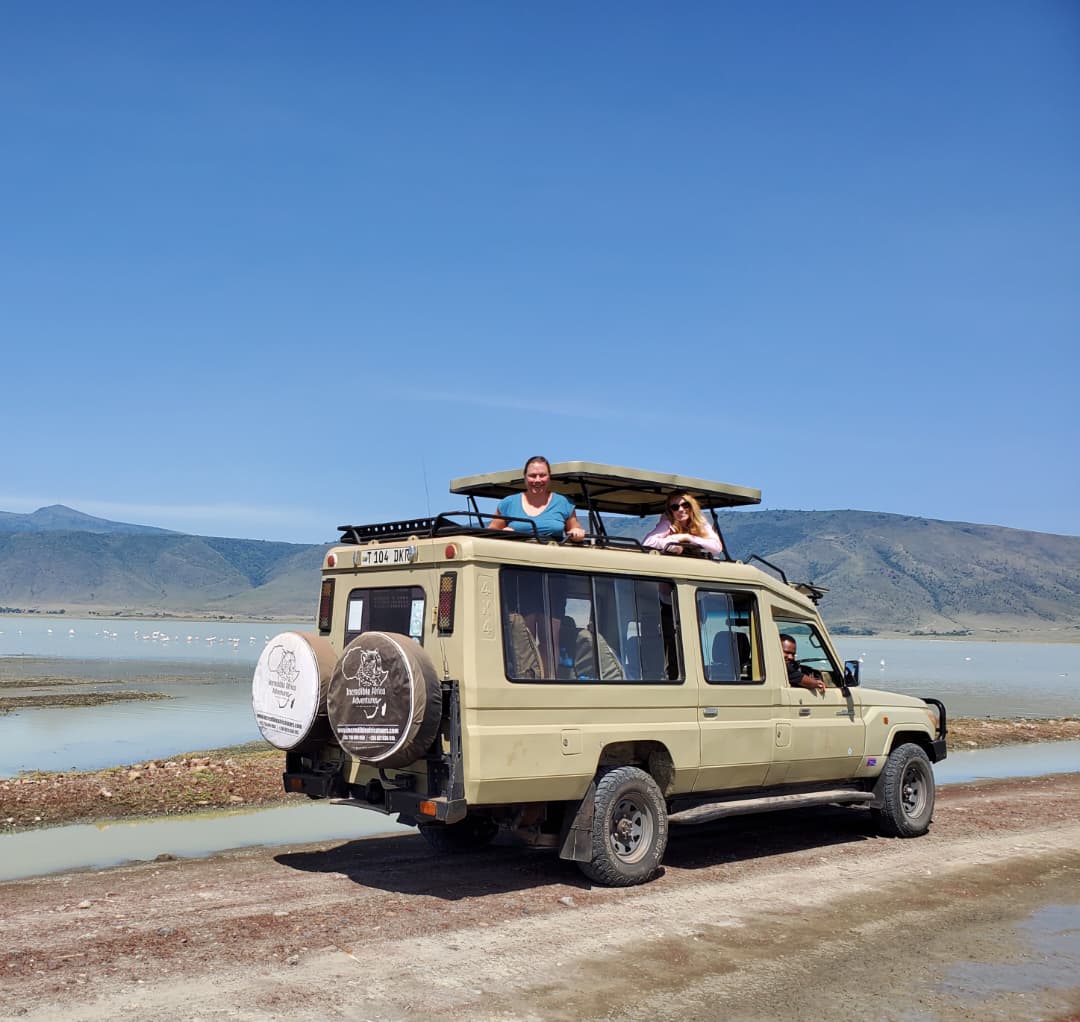
Tanzania’s Extraordinary Natural Wonder, Ngorongoro Crater is one of Tanzania's most extraordinary destinations, where dramatic volcanic scenery meets an exceptionally rich wildlife environment. The crater forms part of the wider Ngorongoro Conservation Area, a remarkable landscape that brings together wildlife, geology, archaeology and traditional Maasai pastoral culture.
The crater itself is an immense volcanic caldera surrounded by steep walls and containing grasslands, wetlands, woodland and other habitats. This unique setting makes a Ngorongoro safari feel very different from exploring the open plains of Serengeti.
For travelers, the attraction is not simply the wildlife. It is the combination of a spectacular natural landscape and the opportunity to experience an important part of northern Tanzania's ecological and cultural heritage.
What Is Ngorongoro Crater?
Ngorongoro Crater was formed after the collapse of a large volcanic mountain following a major eruption.
Today, its broad floor contains a variety of habitats that support large numbers of animals. The steep crater walls create a natural boundary around the landscape and provide spectacular viewpoints from above.
The crater is part of the much larger Ngorongoro Conservation Area, which extends across a diverse highland landscape far beyond the crater itself.
Why Is Ngorongoro Crater Famous?
Ngorongoro is famous for its extraordinary geological setting and rich concentration of wildlife.
It is also internationally important for its natural and cultural heritage. The wider conservation area contains archaeological evidence associated with human evolution and remains home to Maasai pastoral communities.
This combination makes Ngorongoro much more than a conventional wildlife destination.
Wildlife in Ngorongoro Crater
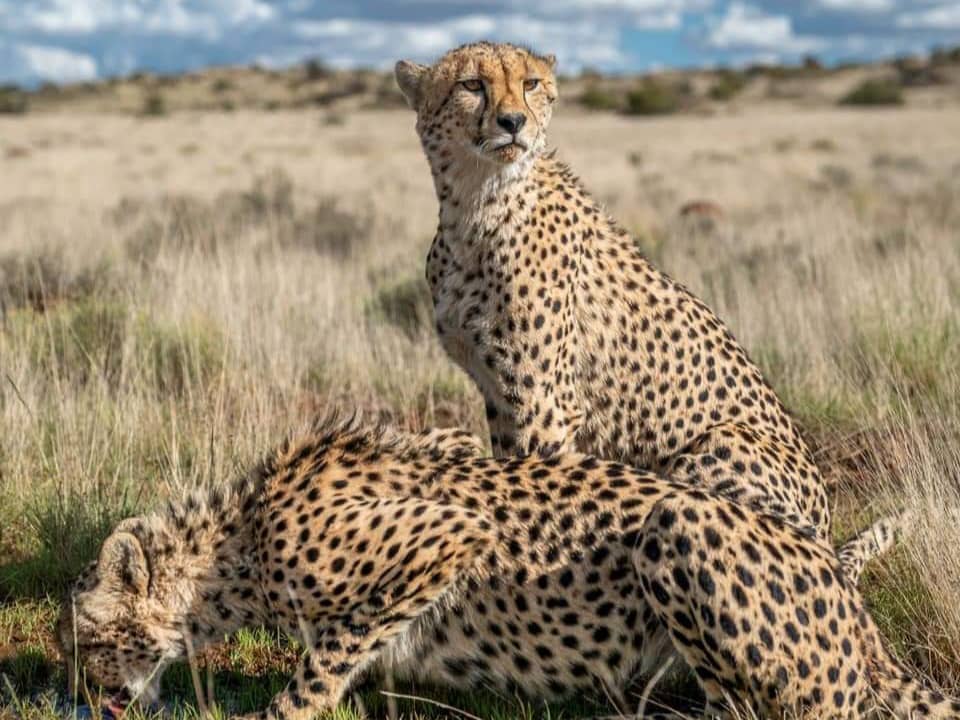
The crater floor supports a remarkable range of wildlife, making it one of the most rewarding places to include in a northern Tanzania safari.
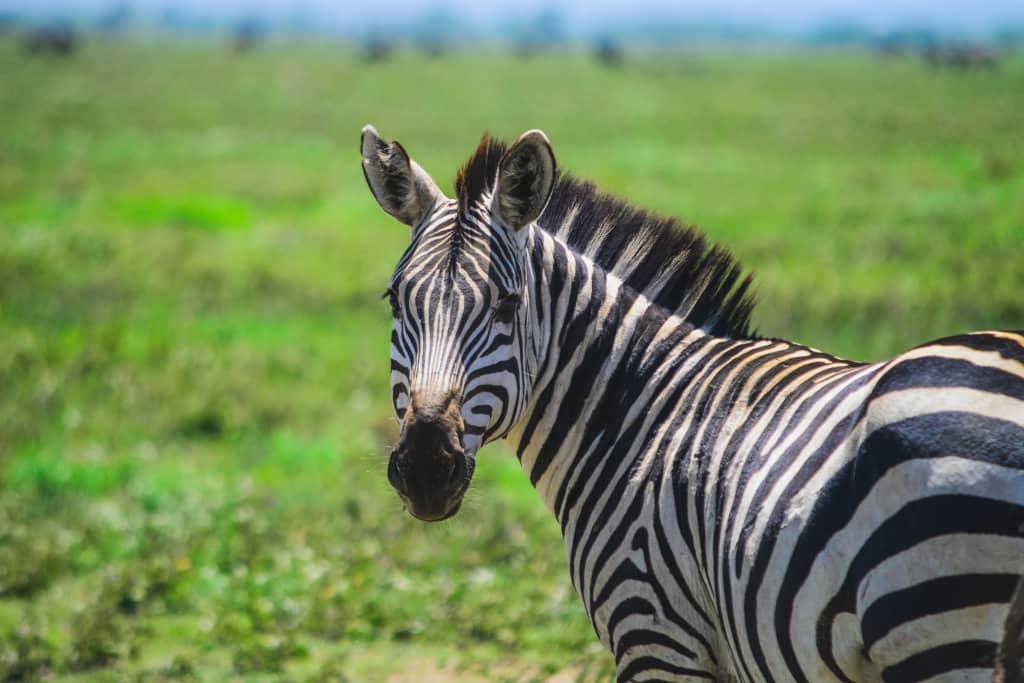
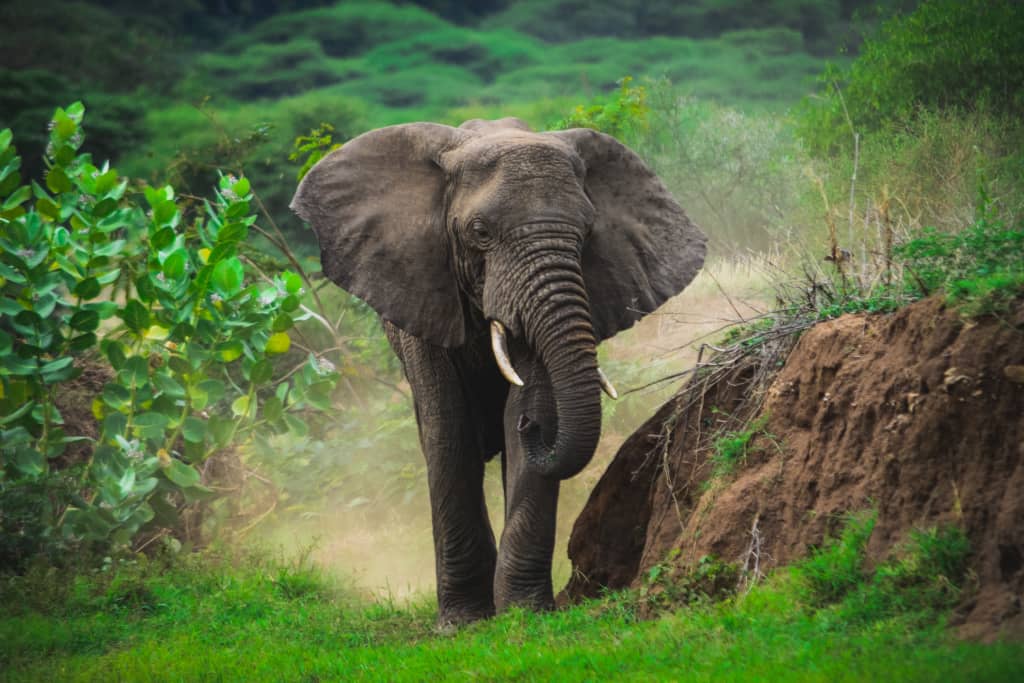
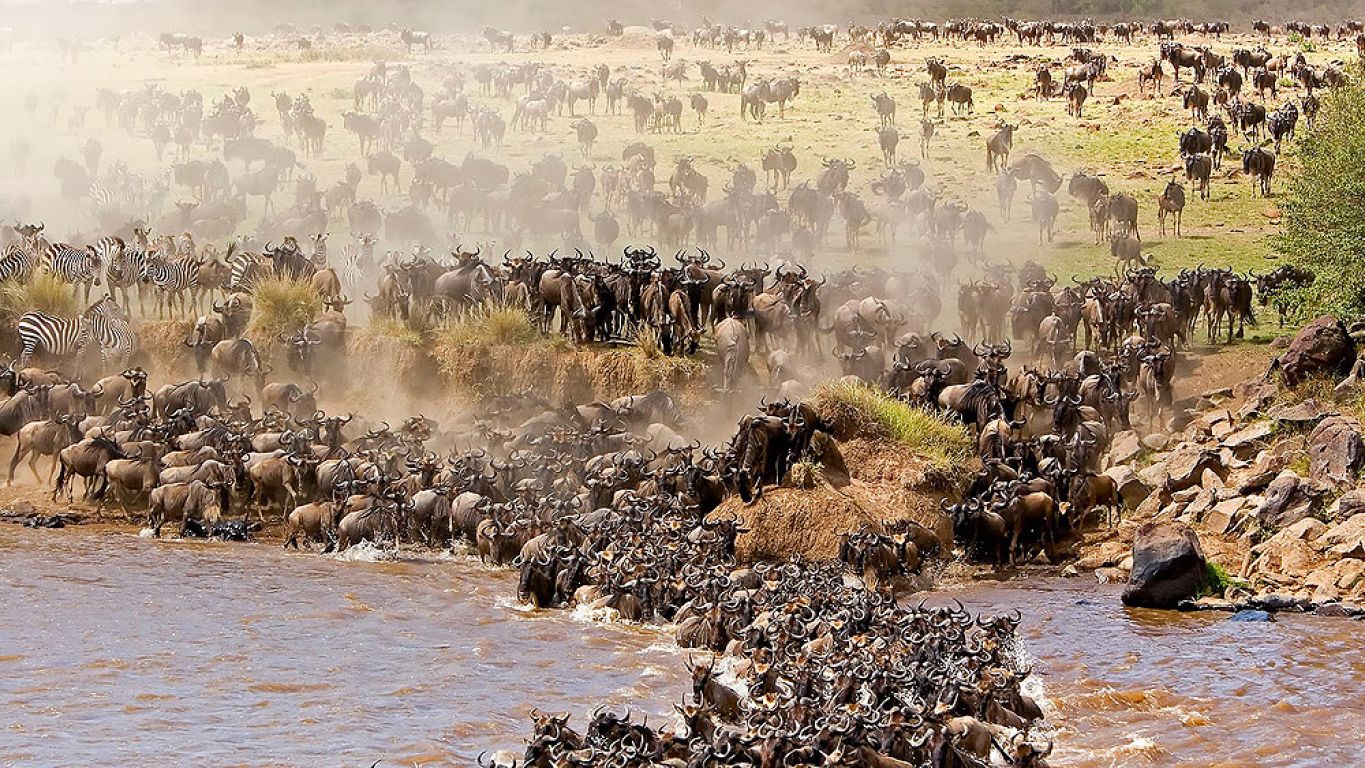
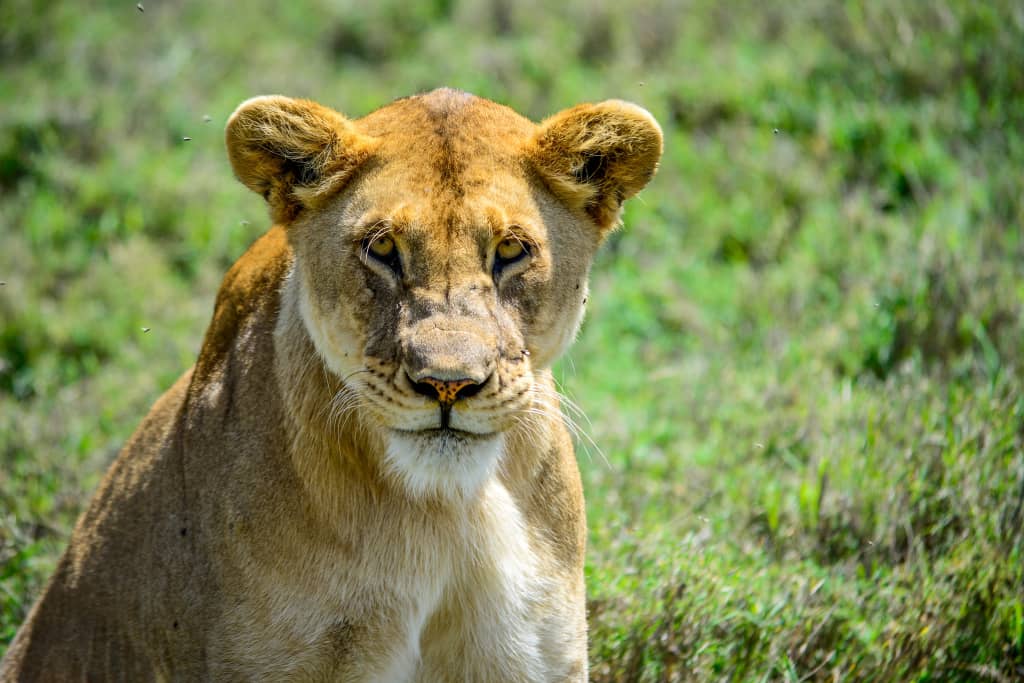
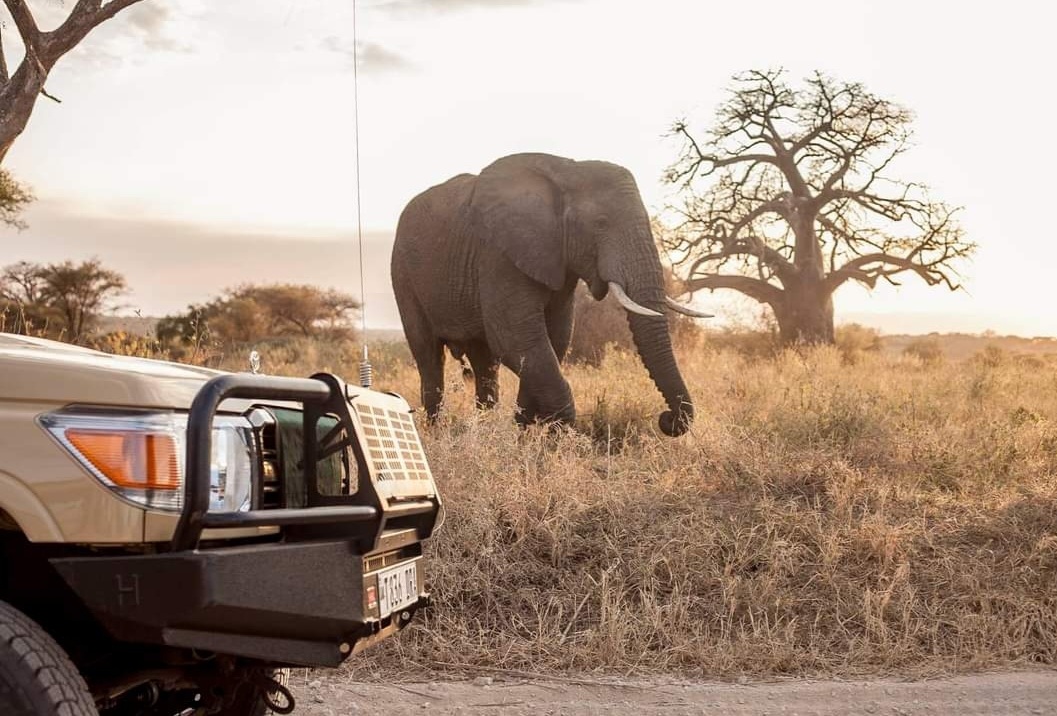
Depending on the season and conditions, visitors may encounter lions, elephants, buffalo, zebras, wildebeest, hippos, hyenas, gazelles and many other species.
The crater is also an important habitat for black rhinoceros, one of the most highly valued wildlife sightings for many visitors.
As with every safari destination, wildlife remains wild and sightings cannot be guaranteed.
Can You See the Big Five in Ngorongoro?
Ngorongoro provides opportunities to see the Big Five: lion, leopard, elephant, buffalo and rhinoceros.
Some species are easier to encounter than others. Lions and buffalo can be relatively conspicuous, while leopards are more elusive.
The possibility of seeing rhinoceros within such a dramatic landscape is one of the reasons many travelers include Ngorongoro in their Tanzania safari.
The Ngorongoro Conservation Area
The crater is only one part of the Ngorongoro Conservation Area.
Beyond the crater walls are highland landscapes, grasslands, forests and archaeological sites. The area is significant because conservation takes place alongside the traditional livelihoods and cultural heritage of local communities.
This creates a destination where wildlife, people, landscape and history are closely connected.
Maasai Culture in Ngorongoro
The Maasai are an important part of the cultural landscape of the Ngorongoro Conservation Area.
Travelers may have opportunities to learn about traditional pastoral life through properly organized cultural experiences.
At Incredible Africa Adventures, we believe cultural visits should be respectful and meaningful, allowing travelers to learn from local communities rather than treating culture as a staged performance.
Olduvai Gorge and Human History
The wider Ngorongoro landscape is also famous for its contribution to the understanding of human evolution.
Olduvai Gorge has produced important archaeological and paleoanthropological discoveries, while the nearby Laetoli area is famous for ancient hominin footprints.
For travelers interested in archaeology and human history, these sites add an extraordinary dimension to a destination already famous for wildlife.
When Is the Best Time to Visit Ngorongoro?
Ngorongoro can be visited throughout the year.
Drier periods often provide favorable conditions for wildlife viewing, while wetter periods can transform the landscape with greener vegetation and fresh scenery.
The best time for your visit depends on what you want to experience and how Ngorongoro fits into your wider Tanzania safari.
How Many Days Do You Need in Ngorongoro?
Many safari itineraries allow a full day for exploring the crater, which can provide an excellent introduction to its wildlife and landscapes.
However, staying longer can make sense if you want to explore the wider conservation area, visit cultural or archaeological sites or simply travel at a slower pace.
We recommend choosing the duration based on your overall safari rather than treating every destination as needing the same number of nights.
What Is a Ngorongoro Safari Like?
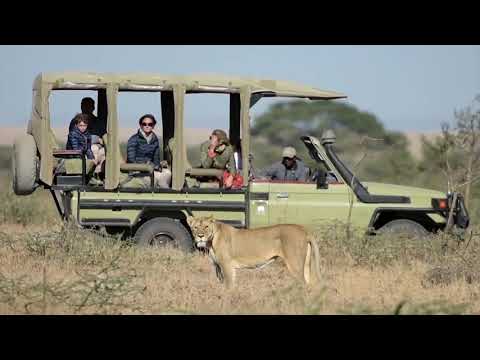
A typical crater safari involves descending from the crater rim to the crater floor for wildlife viewing.
The landscape changes as you move through grassland, wetland and woodland areas, while the crater walls remain a dramatic backdrop throughout the experience.
The combination of wildlife and scenery makes Ngorongoro particularly rewarding for photographers.
Ngorongoro Crater and Serengeti: What Is the Difference?
Serengeti and Ngorongoro are often visited together, but they provide very different experiences.
Serengeti is characterized by immense open spaces, extensive wildlife habitats, predators and the Great Migration.
Ngorongoro is centered around a spectacular volcanic caldera with a high concentration of wildlife, dramatic crater scenery and a much stronger connection to geology, archaeology and human cultural heritage.
Experiencing both gives travelers a broader understanding of northern Tanzania.
Why Explore Ngorongoro with Incredible Africa Adventures?
We believe a great Ngorongoro experience begins with understanding how the destination fits into your entire journey.
At Incredible Africa Adventures, we consider your travel dates, wildlife interests, preferred pace, accommodation style and budget before creating your itinerary.
Our local guides help you interpret the landscapes and wildlife while ensuring that your time in the conservation area is comfortable, informative and meaningful.
Whether Ngorongoro is part of your first Tanzania safari, a honeymoon, a family adventure or a private wildlife journey, we can tailor the experience around you.
Combine Ngorongoro with Other Tanzania Destinations
Ngorongoro combines naturally with Serengeti and Tarangire for a classic northern Tanzania safari.
You can also combine your safari with Mount Kilimanjaro or Mount Meru before relaxing on Zanzibar.
This makes it possible to create a single Tanzania journey that combines wildlife, mountains, culture and the Indian Ocean coast.
Frequently Asked Questions About Ngorongoro Crater
What is Ngorongoro Crater?
Ngorongoro Crater is a vast volcanic caldera in northern Tanzania and one of the country's most important wildlife destinations.
Can you see the Big Five in Ngorongoro?
Yes. The crater offers opportunities to see lion, leopard, elephant, buffalo and rhinoceros, although wildlife sightings cannot be guaranteed.
How long should I stay in Ngorongoro?
Many travelers spend a full day exploring the crater, while additional time can be worthwhile for exploring the wider conservation area.
Can I combine Ngorongoro with Serengeti?
Yes. Serengeti and Ngorongoro are among the most popular combinations for a northern Tanzania safari.
Is Ngorongoro suitable for families?
Yes. With suitable accommodation and a well-planned itinerary, Ngorongoro can be an excellent family safari destination.
Discover Ngorongoro with Incredible Africa Adventures
Ngorongoro brings together some of Tanzania's most remarkable experiences: wildlife, volcanic landscapes, ancient human history and living cultural traditions.
Explore our Ngorongoro safari packages or contact Incredible Africa Adventures to create a journey designed around your interests and travel plans.