Tanzania Photographic Safaris | Best Time & Places
Tanzania Photographic Safaris: Best Time, Places & Tips
Tanzania is one of Africa’s most spectacular destinations for photographic safaris, offering extraordinary opportunities to capture wildlife, landscapes and unforgettable moments in the wild. From the vast plains of the Serengeti and the dramatic Ngorongoro Crater to the baobab-studded landscapes of Tarangire, Tanzania provides an exceptional setting for both professional photographers and travelers who simply want to return home with remarkable photographs.
A Tanzania photographic safari combines the excitement of a traditional wildlife safari with more time and flexibility for photography. With an experienced guide who understands animal behavior, light and positioning, you can spend more time observing wildlife and waiting for the right photographic opportunity rather than rushing from one sighting to another.
Whether your goal is to photograph the Big Five, the Great Migration, birds, predators, landscapes or intimate wildlife moments, Incredible Africa Adventures can tailor your safari around your photography interests, preferred destinations, travel dates, equipment and budget.
Why Choose a Photographic Safari in Tanzania?
Tanzania offers an exceptional combination of wildlife, landscapes and diverse habitats, making it ideal for photographers looking for variety.
A photographic safari allows you to experience Tanzania at a more deliberate pace. Instead of focusing only on how many animals you can see, you can spend more time watching behavior, studying the light and waiting for the right composition.
Depending on your itinerary and season, you may photograph:
- - Lions, leopards and cheetahs
- - Elephants and buffalo
- - Rhinoceros
- - Giraffes and zebras
- - Wildebeest and other antelope
- - Hippos and crocodiles
- - Flamingos and other birdlife
- - Dramatic African landscapes and sunsets
- - The Great Migration and its seasonal wildlife movements
Tanzania also offers excellent opportunities to photograph wildlife against different backgrounds, from open grasslands and volcanic landscapes to woodlands, lakes and rivers.
Best Time for a Photographic Safari in Tanzania
There is no single best time for every type of photography in Tanzania. The ideal season depends on what you want to photograph, where you want to go and the type of light and landscapes you prefer.
June to October: Excellent for Wildlife Photography
The dry season from June to October is one of the most popular periods for wildlife photography. Vegetation is generally thinner in many areas, visibility can be better and animals often gather around reliable water sources.
The dry landscapes can also create beautiful photographic contrasts, particularly during the early morning and late afternoon when the light is softer.
This period is particularly attractive for travelers who want to combine photography with classic wildlife viewing.
July to October: Great Migration Photography
The Great Migration is one of Tanzania’s most extraordinary photographic experiences. During different periods of the year, vast numbers of wildebeest, zebras and other animals move through the Serengeti ecosystem.
The exact location of the herds changes continuously, so there is no single place or date that guarantees a particular migration event.
If your primary goal is migration photography, we recommend planning your safari around the seasonal movement of the herds and selecting the most suitable Serengeti areas for your travel dates.
November to May: Green Landscapes, Calves and Birdlife
The greener months can be highly rewarding for photographers who appreciate lush landscapes, dramatic skies, young animals and birdlife.
During the wetter period, many areas become beautifully green, creating a completely different photographic atmosphere from the dry season.
This period can also offer opportunities to photograph newborn animals and migratory birds, depending on the destination and timing.
What Is the Best Time for Photography?
For classic wildlife photography, June to October is an excellent choice.
For Great Migration photography, the best dates depend on where the herds are expected to be during your trip.
For green landscapes, bird photography and young animals, the wetter months can be particularly rewarding.
The best itinerary therefore depends on your photographic priorities rather than simply choosing the most popular safari season.
Best Places for a Photographic Safari in Tanzania
Serengeti National Park
The Serengeti is one of Tanzania’s premier destinations for wildlife photography and is particularly famous for the Great Migration.
Its vast grasslands provide excellent opportunities to photograph lions, cheetahs, leopards, elephants, giraffes, zebras, wildebeest and many other species.
The open landscapes can also provide clean backgrounds and expansive compositions, while the changing position of the migration creates different photographic opportunities throughout the year.
For serious wildlife photographers, spending several nights in the Serengeti can be more rewarding than trying to cover too many destinations in a short itinerary.
Ngorongoro Crater
The Ngorongoro Crater offers a spectacular combination of wildlife and dramatic scenery.
The crater floor supports a remarkable concentration of wildlife, including lions, elephants, buffalo, zebras, wildebeest, hippos and, with luck, rhinoceros.
The surrounding crater walls also create opportunities for wide-angle landscape photographs, while the crater floor provides excellent wildlife photography.
Tarangire National Park
Tarangire is particularly attractive to photographers because of its distinctive landscapes, ancient baobab trees and diverse wildlife.
Elephants are a major highlight, while giraffes, lions, zebras, wildebeest and numerous bird species can also be photographed.
The combination of wildlife and iconic baobab scenery makes Tarangire an excellent destination for photographers looking for images that feel distinctly East African.
Lake Manyara National Park
Lake Manyara offers a different photographic environment, with forest, woodland, open areas, wetlands and the lake itself creating a variety of backgrounds.
The park can be particularly rewarding for photographers interested in birds, landscapes, elephants, giraffes and other wildlife.
Its relatively compact size also makes it an easy addition to a northern Tanzania photographic safari.
Nyerere National Park
Nyerere National Park provides excellent opportunities for photographers looking for a different safari experience in southern Tanzania.
The Rufiji River, lakes, channels and floodplains create beautiful landscapes and provide opportunities to photograph hippos, crocodiles, elephants, birds and other wildlife.
Boat safaris can also offer unique perspectives that are difficult to achieve from a traditional safari vehicle.
Arusha National Park
Arusha National Park is an excellent option for travelers beginning their adventure around Arusha.
Its varied habitats, lakes, forests and mountain scenery provide opportunities for wildlife, bird and landscape photography.
It can also be incorporated into a longer photographic itinerary through northern Tanzania.
What to Expect on a Tanzania Photographic Safari
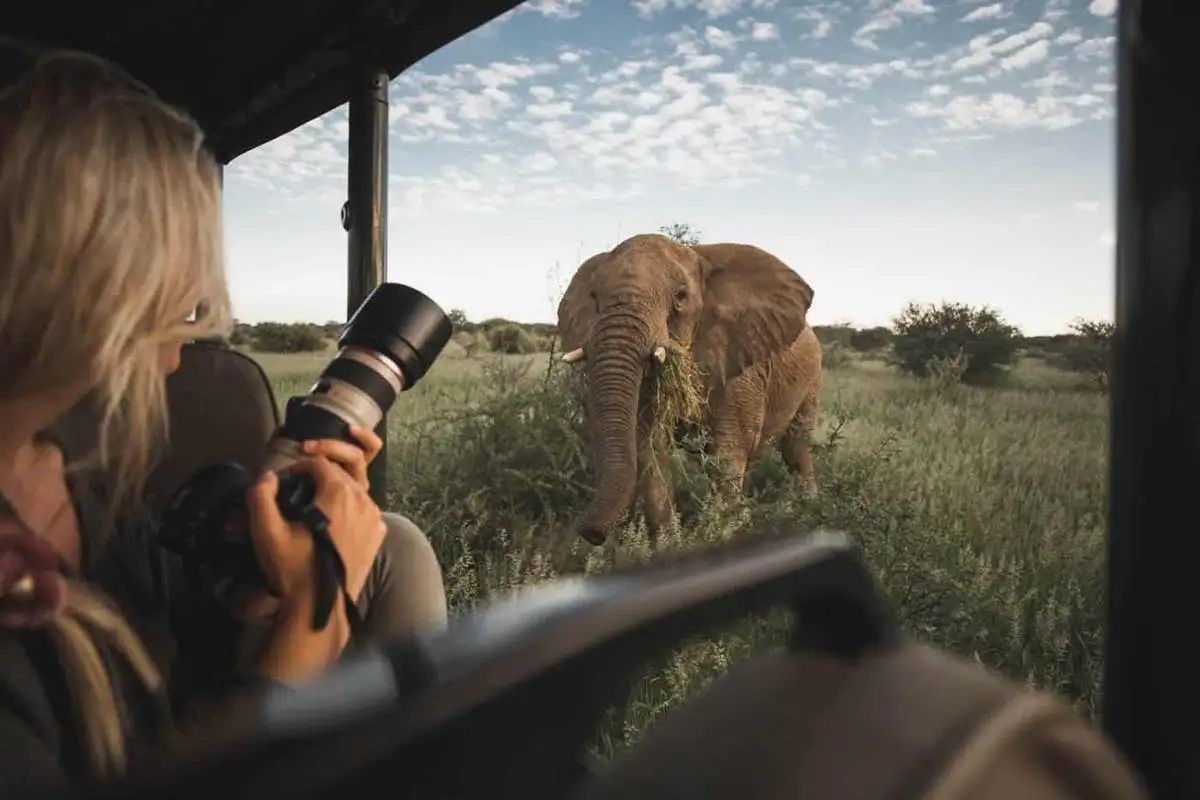
A photographic safari is designed around observation, patience and flexibility.
Rather than simply driving from one animal sighting to another, your guide can help you understand animal behavior and anticipate opportunities.
You may spend considerable time waiting for:
- - A lion to yawn or roar
- - A leopard to emerge from cover
- - Elephants crossing an open landscape
- - A cheetah preparing to hunt
- - Wildebeest moving across the plains
- - Birds taking flight
- - Wildlife interacting with one another
- - The perfect sunrise or sunset
Wildlife is unpredictable, however, and no responsible safari operator can guarantee a particular animal behavior or photograph. The goal is to maximize your opportunities by choosing the right destinations, timing and approach.
Early Mornings and Golden-Hour Photography
Some of the best photographic opportunities occur during the early morning and late afternoon.
The softer light around sunrise and sunset can create more attractive colors, shadows and textures than the harsh midday sun.
Early morning game drives can also be particularly rewarding because many animals are active before temperatures rise.
For photographers, this is one reason we recommend allowing enough time in each destination rather than creating an itinerary that involves constant long-distance travel.
Wildlife Photography and Safari Vehicles
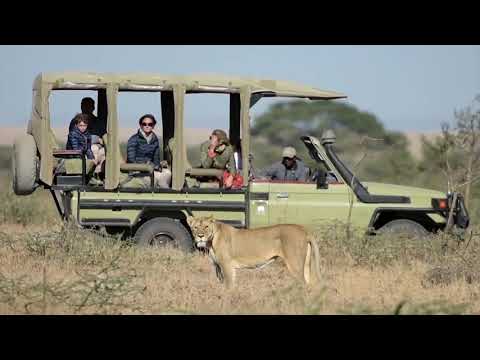
The type of safari vehicle and group size can influence your photographic experience.
A private safari vehicle provides greater flexibility because you can spend more time at a sighting, adjust your position when appropriate and tailor the daily schedule around your photography interests.
For serious photographers, a private safari can therefore be particularly valuable.
Your guide will always prioritize responsible wildlife viewing and follow the applicable national park regulations to minimize disturbance to animals.
Photography Equipment to Bring
The equipment you need depends on your photography goals, but we recommend considering:
- - DSLR or mirrorless camera
- - Telephoto lens, such as 100–400 mm, 200–500 mm or similar
- - Wide-angle lens for landscapes
- - Spare batteries
- - Multiple memory cards
- - Camera beanbag or suitable vehicle support
- - Lens-cleaning equipment
- - Camera rain protection
- - Binoculars
- - Laptop or external storage for backing up photographs
A sturdy tripod can be useful for some landscape and low-light photography, although a beanbag or other stable support is often more practical inside a safari vehicle.
Most importantly, bring equipment you already know how to use. A familiar camera is more valuable in the field than complicated equipment you have never practiced with.
Where to Stay on a Tanzania Photographic Safari
Your accommodation should match both your budget and photographic goals.
Budget Photographic Safaris
Campsites and budget lodges provide affordable accommodation while allowing you to spend more of your budget on additional safari days and destinations.
Mid-Range Photographic Safaris
Comfortable lodges and tented camps offer a balance between comfort, location and value. Many are positioned conveniently for early-morning and late-afternoon game drives.
Luxury Photographic Safaris
Luxury lodges and premium tented camps offer spacious accommodation, quality dining and personalized service. Some properties are located in particularly scenic or wildlife-rich areas, allowing photographers to maximize their time in the field.
For photographers, however, location and access to wildlife are often more important than the accommodation category itself.
Why a Private Photographic Safari Can Be Worthwhile
For serious photographers, a private safari offers several important advantages.
You can:
- - Set a more photography-friendly pace
- - Spend longer at promising wildlife sightings
- - Focus on specific animals or species
- - Adjust your schedule around the best light
- - Carry and organize your equipment more comfortably
- - Spend more time in destinations that match your interests
A private safari is not essential, but it can significantly improve the flexibility of your photographic experience.
Can Beginners Join a Tanzania Photographic Safari?
Absolutely. You do not need to be a professional photographer to enjoy a photographic safari. Beginners can learn through observation and guidance while experienced photographers can concentrate on more advanced techniques and specific subjects.
Your guide can also help you understand animal behavior and identify opportunities, although the photographic decisions remain yours.
Can I Combine Photography with a Traditional Safari?
Yes. A photographic safari does not have to be exclusively focused on photography. You can combine wildlife photography with cultural experiences, nature walks where permitted, scenic viewpoints and other activities.
This makes a photographic safari suitable for couples, families and groups where not everyone is a dedicated photographer.
Is Tanzania Safe for Photographers?
Tanzania is a well-established safari destination, and millions of travelers visit its national parks and wildlife areas.
The safest approach is to follow your guide's instructions at all times, particularly around wildlife. Never leave the safari vehicle unless your guide confirms that it is safe and permitted to do so.
Your guide will also advise you on how to behave around animals and how to protect your equipment from dust, rain and other environmental conditions.
Will I Have Internet Access During the Safari?
Internet access varies considerably between lodges and camps.
Many properties offer Wi-Fi, but connectivity can be limited or unavailable in remote areas. Mobile coverage also varies depending on location.
If you are carrying large amounts of photographic data, we recommend bringing sufficient storage and backup options rather than relying on internet connectivity.
What to Pack for a Photographic Safari in Tanzania
In addition to your camera equipment, consider packing:
- - Lightweight neutral-colored clothing
- - Comfortable walking shoes
- - Fleece or warm layer for early mornings
- - Lightweight rain jacket
- - Wide-brimmed hat
- - Sunglasses
- - Sunscreen
- - Insect repellent
- - Reusable water bottle
- - Small daypack
- - Personal medications
- - Travel documents
Dust can be present on some safari routes, so protecting cameras and lenses when they are not being used is highly recommended.
Why Book Your Tanzania Photographic Safari with Incredible Africa Adventures?
The best photographic safari is not simply about visiting famous parks. It is about choosing the right combination of destinations, season, duration, accommodation and daily pace for the photographs you want to create.
At Incredible Africa Adventures, we design tailor-made Tanzania photographic safaris around your interests. Whether you are looking for the Great Migration, Big Five photography, bird photography, landscape photography or simply a memorable wildlife adventure with plenty of time behind the camera, we can build the itinerary around you.
We can also help you choose between northern and southern Tanzania depending on your travel dates, photographic priorities and available time.
Tell us your preferred travel dates, photography interests, number of travelers and budget, and we will help you create a personalized Tanzania photographic safari.
Frequently Asked Questions About Tanzania Photographic Safaris
What is the best time for a photographic safari in Tanzania?
The best time depends on what you want to photograph. June to October is excellent for general wildlife photography, while November to May offers greener landscapes, migratory birds and seasonal opportunities with young animals. Great Migration photography depends on the location of the herds during your travel dates.
Where is the best place for photography in Tanzania?
Serengeti is excellent for wildlife and Great Migration photography, Ngorongoro offers concentrated wildlife and dramatic scenery, Tarangire is famous for elephants and baobab landscapes, and Nyerere provides distinctive river and wetland photography.
Can I photograph the Big Five in Tanzania?
Yes. Tanzania is one of Africa's premier destinations for Big Five photography. However, wildlife sightings are never guaranteed, and responsible operators should never promise that you will photograph every species.
Do I need a professional camera?
No. A modern mirrorless or DSLR camera can produce excellent results, but even advanced compact cameras and smartphones can capture memorable safari photographs. Your experience, patience, light and knowledge of animal behavior are often just as important as the equipment.
What lens is best for wildlife photography in Tanzania?
A telephoto lens is generally the most useful choice for wildlife. Something in the 100–400 mm or similar range offers versatility, while longer lenses can be useful for distant subjects and birds. A wide-angle lens is valuable for landscapes and environmental wildlife portraits.
Is a private safari better for photographers?
For serious photographers, a private safari can be a significant advantage because it provides greater flexibility with timing, positioning and the amount of time spent at wildlife sightings.
Can I photograph the Great Migration?
Yes. The Great Migration is one of Tanzania's most spectacular photographic opportunities. However, the herds move continuously, so the best location depends on the time of year and current migration patterns.
How many days do I need for a Tanzania photographic safari?
There is no single ideal duration. A short safari can focus on one or two destinations, while a longer itinerary allows more time for photography and reduces the need to rush between parks. For serious photographers, spending several nights in key locations is often more rewarding than trying to cover too many parks.
Can you create a tailor-made photographic safari?
Yes. Incredible Africa Adventures can design a private photographic safari around your travel dates, target species, photography style, preferred destinations, accommodation level and budget.
Plan Your Tanzania Photographic Safari
Tanzania offers an extraordinary combination of wildlife, landscapes and unforgettable photographic opportunities. From the endless plains of the Serengeti and the dramatic Ngorongoro Crater to Tarangire's giant baobabs and the waterways of southern Tanzania, every destination offers something different to capture.
Whether you are an experienced wildlife photographer or simply want to bring home photographs that tell the story of your African adventure, the right itinerary can make all the difference.
Contact Incredible Africa Adventures today with your travel dates, photography interests and preferred safari style. We will help you create a private Tanzania photographic safari designed around the images and experiences you want to capture.
Tags: